

What kind of graphics quality can I expect from a Marine Simulation Platform?
Nov 13, 2025
When it comes to marine simulation, one of the most pressing questions that potential users often ask is: "What kind of graphics quality can I expect from a Marine Simulation Platform?" As a supplier of Marine Simulation Platform, I am well - positioned to delve into this topic and provide you with a comprehensive understanding.
The Basics of Graphics Quality in Marine Simulation
Graphics quality in a marine simulation platform is a multi - faceted concept. It encompasses several key elements, each contributing to the overall immersive and realistic experience.
Visual Realism
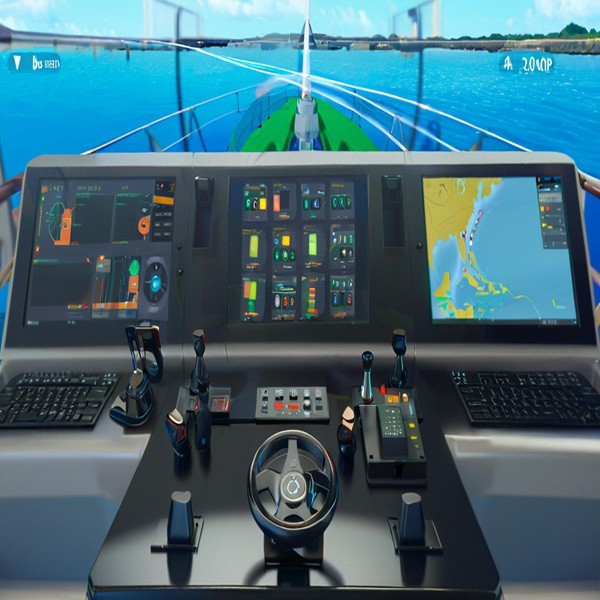
Visual realism is perhaps the most obvious aspect of graphics quality. In a high - end marine simulation, you can expect to see detailed and accurate representations of the marine environment. This includes the ocean itself, with realistic wave patterns, water reflections, and refractions. The color of the water should vary depending on factors such as depth, sediment content, and sunlight conditions. For example, in shallow coastal waters, the water might appear turquoise, while in the open ocean, it could be a deep blue.
The shorelines in the simulation should also be highly detailed. They can feature rocky cliffs, sandy beaches, and mangrove forests, all with appropriate textures and vegetation. Additionally, the simulation should accurately represent man - made structures such as ports, lighthouses, and oil rigs. These structures should have realistic shapes, colors, and lighting effects.
Object Detail
Another important factor is the level of detail in the objects within the simulation. Ships, boats, and other vessels should be accurately modeled, with every part of the ship clearly visible. This includes the hull, superstructure, masts, and rigging. The vessels should also have realistic animations, such as the movement of the propellers, the swaying of the ship in the waves, and the opening and closing of hatches.
Marine wildlife is also an important part of the simulation. Fish, dolphins, whales, and seabirds should be modeled with high - fidelity textures and realistic movement patterns. For example, dolphins should leap out of the water and swim in groups, while seabirds should soar above the waves.
Lighting and Shadows
Lighting and shadows play a crucial role in creating a realistic and immersive environment. In a marine simulation, the lighting should accurately mimic natural sunlight conditions. This means that the intensity and color of the light should change throughout the day, from the warm glow of dawn to the bright sunlight of mid - day and the soft hues of sunset.
Shadows should also be accurately cast by objects in the simulation. For example, a ship should cast a long shadow on the water during the early morning or late afternoon. The shadows should have appropriate softness and transparency, depending on the position of the light source and the nature of the object.
Factors Affecting Graphics Quality
Several factors can affect the graphics quality of a marine simulation platform.
Hardware Capabilities
The hardware on which the simulation is running is a major determinant of graphics quality. High - end graphics cards, powerful processors, and sufficient memory are required to render detailed and complex scenes. For example, a simulation with high - resolution textures, advanced lighting effects, and a large number of objects will require a more powerful graphics card to run smoothly.
Software Optimization
The software used in the marine simulation platform also plays a crucial role. Well - optimized software can make the most of the available hardware resources, resulting in better graphics quality. This includes techniques such as level - of - detail (LOD) management, which reduces the complexity of objects that are far away from the camera to save processing power.
Data Sources
The quality of the data used in the simulation can also impact graphics quality. High - resolution satellite imagery, bathymetric data, and 3D models of ships and structures can all contribute to a more realistic and detailed simulation. For example, using high - resolution satellite imagery can provide accurate textures for the shorelines and the ocean surface.
Comparing with Other Simulation Platforms
It's interesting to compare the graphics quality of a marine simulation platform with other types of simulation platforms, such as Driving Simulation Platform and Earthquake Simulation Platform.
Driving Simulation Platform
A driving simulation platform focuses on creating a realistic road environment. While it may have detailed models of cars, roads, and buildings, the graphics requirements are different from those of a marine simulation. In a driving simulation, the emphasis is on the immediate surroundings of the vehicle, such as the road surface, traffic signs, and other vehicles. In contrast, a marine simulation needs to represent a vast and dynamic ocean environment, which requires more complex graphics algorithms to handle the water surface, waves, and long - distance views.
Earthquake Simulation Platform
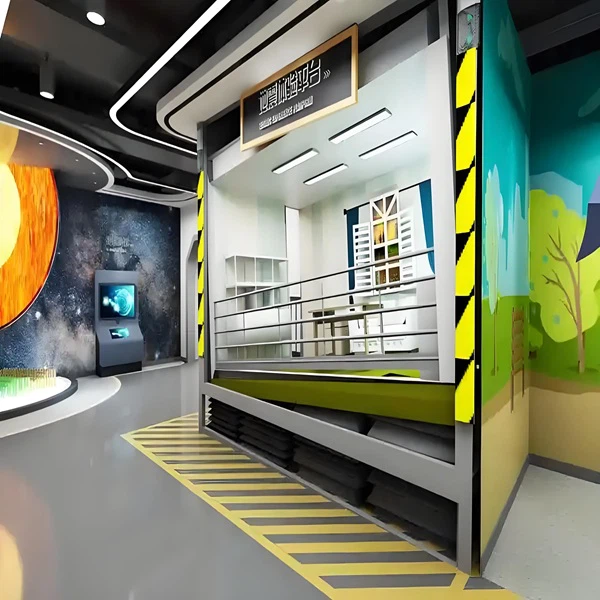
An earthquake simulation platform is mainly concerned with the effects of seismic activity on buildings and the ground. The graphics in this type of simulation are centered around the deformation and destruction of structures, as well as the movement of the ground. While it may require accurate 3D models of buildings and terrain, the visual elements are more focused on the physical changes caused by the earthquake rather than the natural environment. In comparison, a marine simulation has a broader scope, including the marine ecosystem, weather conditions, and the movement of vessels.
Benefits of High - Quality Graphics in Marine Simulation
High - quality graphics in a marine simulation platform offer several benefits.
Training and Education
For training purposes, realistic graphics can greatly enhance the learning experience. Mariners can practice navigation, ship handling, and emergency response in a virtual environment that closely resembles the real world. The detailed graphics allow them to better understand the effects of wind, waves, and currents on their vessels. In an educational context, students can learn about marine ecosystems, oceanography, and maritime history through an immersive simulation.
Research and Development
In the field of research and development, high - quality graphics can help scientists and engineers visualize and analyze complex marine phenomena. For example, they can study the behavior of waves around offshore structures or the movement of marine species in different environmental conditions. The detailed graphics can also assist in the design and testing of new ships and marine equipment.
Entertainment
Marine simulation platforms can also be used for entertainment purposes. Gamers and enthusiasts can enjoy exploring the virtual ocean, sailing ships, and interacting with marine wildlife. High - quality graphics can make the gaming experience more engaging and immersive.
Conclusion
In conclusion, a high - end Marine Simulation Platform can offer exceptional graphics quality, with detailed visual realism, object detail, and accurate lighting and shadows. The graphics quality is affected by hardware capabilities, software optimization, and data sources. Compared to other simulation platforms, a marine simulation has its unique graphics requirements due to the complexity of the marine environment.
If you are interested in experiencing the high - quality graphics and functionality of our marine simulation platform for training, research, or entertainment purposes, we invite you to reach out for a procurement discussion. We are committed to providing you with a customized solution that meets your specific needs.
References
- Smith, J. (2020). "Advances in Marine Simulation Technology." Journal of Maritime Studies, 15(2), 45 - 60.
- Johnson, A. (2019). "Graphics Quality in Virtual Reality Simulations." International Journal of Simulation and Gaming, 22(3), 78 - 92.
- Brown, C. (2021). "The Role of Data in High - Fidelity Marine Simulations." Oceanographic Research Review, 8(1), 12 - 25.