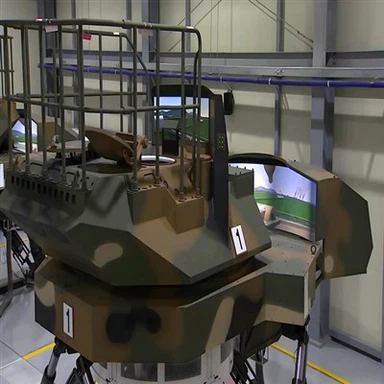


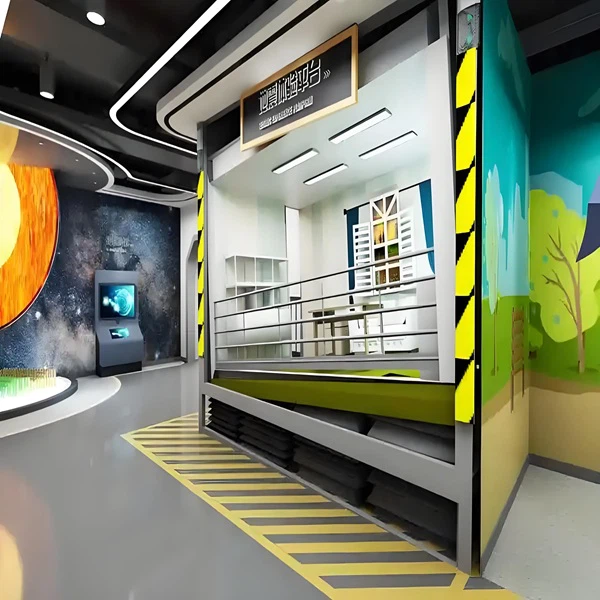



Earthquake Simulation Platform
Earthquake Simulation Platform is an engineering equipment that simulates seismic dynamic loads through computer simulation and physical vibration table technology. It is mainly used to evaluate the seismic performance of structures such as buildings and bridges. It analyzes the response characteristics of the structure under extreme working conditions by inputting seismic parameters and reproducing seismic waves.
- Fast Delievery
- Quality Assurance
- 24/7 Customer Service
Product Introduction
Core technology
Multidimensional simulation capability:
Supports three-dimensional six degree of freedom vibration and can simulate the spatial coupling effect of complex seismic waves.
Combining numerical algorithms (time history analysis method, response spectrum method) with physical experiments to improve simulation accuracy.
High precision control and load capacity:
The maximum displacement of the tabletop is ± 500 millimeters (X/Y axis), and the maximum acceleration at full load is 1.5g.
The maximum load capacity is 120 tons, suitable for large-scale structural testing needs.
Intelligence and scalability:
Using numerical control technology (such as Pulsar system), it supports various waveform inputs such as random waves and seismic waves.
Integrate cloud computing management platform (CCMP) to achieve unified data management and lightweight virtualization expansion.
Product specification
|
Table size: |
6.0 meters x 9.0 meters (large vibration table) |
|
Vibration direction: |
Three directions and six degrees of freedom (X/Y/Z axis translation+rotation around the axis) |
|
Maximum load capacity: |
120 tons |
|
Table displacement: |
X/Y axis: ± 500 millimeters, Z axis: ± 300 millimeters |
|
Operating frequency: |
0.1~50 Hz (covering the seismic wave spectrum range) |
|
Data collection: |
256 channel synchronous collection, supporting multi-dimensional response recording under complex working conditions. |
Product details
Application:
✅Structural seismic performance evaluation:
seismic testing of key facilities such as buildings, bridges, and nuclear power plants
✅Material and component testing:
Verify the reliability of new seismic resistant materials such as dampers and isolation bearings.
✅Design optimization:
Optimize the structural design scheme through simulation iteration to reduce earthquake disaster wind.
✅Research and Education:
Algorithm Development and Teaching Demonstration for the Field of Earthquake Engineering.
Photos of Earthquake Simulation Platform


Packaging and delivery
Packing: by container or as customers's required.
Delivery: deliver to major ports in your country.

FAQ
Q: What are the differences between earthquake simulation and real earthquakes?
A: The simulation platform focuses on the dynamic response of specific seismic bands by reducing the time scale and controlling variables, but cannot fully reproduce the randomness and destructive chain effects of real earthquakes.
Q: What is the maximum structure size that can be tested?
A: Due to the limitations of load capacity and table size, the maximum weight of a single structure that can be tested is currently 120 tons, and the size is suitable for a 6-meter x 9-meter table.
Q: Does it support multi hazard coupling simulation?
A: The current technology focuses on earthquake single factor simulation, but some platforms can combine wind load or explosion impact testing through extended modules.
Q: Maintenance cycle and cost?
A: The hydraulic system requires regular maintenance (such as maintaining a continuous working pressure of 21-28 MPa for the oil source), with an average annual maintenance cost accounting for 5% -8% of the total investment.
Hot Tags: earthquake simulation platform, China earthquake simulation platform manufacturers, suppliers, factory, aircraft flying simulator, best sim racing motion platform, flying plane simulator, mission training platform, motion sim platform, racing sim motion platform