

Can the Mission Training Platform be used for training in anti - drug mission scenarios?
Aug 27, 2025
In the realm of law enforcement training, the demand for realistic and effective training solutions has never been higher. As a leading provider of Mission Training Platforms, I often encounter inquiries about the versatility of our platforms, particularly in the context of anti - drug mission scenarios. In this blog, I will explore whether the Mission Training Platform can be used for training in anti - drug mission scenarios and discuss its potential benefits.
The Nature of Anti - Drug Missions
Anti - drug missions are complex operations that involve multiple stages and a wide range of skills. These missions can include intelligence gathering, surveillance, undercover operations, raids on drug labs and distribution centers, and the apprehension of suspects. Each stage requires specific skills and knowledge, such as the ability to analyze intelligence data, conduct surveillance without being detected, execute high - risk raids safely, and handle suspects in a legal and ethical manner.
Features of the Mission Training Platform
Our Mission Training Platform is a state - of the - art system designed to provide realistic and immersive training experiences. It combines advanced simulation technology, high - fidelity virtual environments, and interactive scenarios to replicate real - world situations.
One of the key features of our platform is its ability to create customizable scenarios. Trainers can design anti - drug mission scenarios based on real - life cases or hypothetical situations. They can adjust variables such as the location of the drug operation, the number and type of suspects, the weapons and equipment available, and the time of day. This flexibility allows for targeted training that addresses the specific challenges faced in anti - drug operations.
The platform also offers a high level of realism. The virtual environments are detailed and accurate, featuring realistic terrain, buildings, and weather conditions. The characters in the scenarios have realistic behaviors and reactions, adding to the authenticity of the training. For example, suspects may try to escape, fight back, or hide evidence, just as they would in a real - world situation.
In addition, the Mission Training Platform supports multi - user training. Multiple trainees can participate in a single scenario simultaneously, allowing for team - based training. This is crucial in anti - drug missions, where teamwork is essential for success. Trainees can practice communication, coordination, and cooperation skills in a realistic environment.
Applications in Anti - Drug Mission Training
Intelligence Gathering and Analysis
The first stage of an anti - drug mission often involves intelligence gathering. Our Mission Training Platform can be used to train analysts in collecting, analyzing, and interpreting intelligence data. Trainees can access virtual databases, surveillance footage, and informants' reports to build a picture of the drug operation. They can then use this information to develop strategies for the next stages of the mission.
For example, trainees can practice identifying patterns in drug trafficking routes, the locations of drug labs, and the identities of key suspects. They can also learn how to use data visualization tools to present their findings to the rest of the team. The platform provides immediate feedback, allowing trainees to learn from their mistakes and improve their analysis skills.
Surveillance Training
Surveillance is a critical part of anti - drug operations. Our platform can simulate various surveillance techniques, such as static surveillance, mobile surveillance, and aerial surveillance. Trainees can learn how to set up surveillance equipment, maintain a low profile, and track suspects without being detected.
The virtual environments in the platform are large enough to allow for realistic surveillance scenarios. Trainees can follow suspects through busy streets, alleys, and buildings, just as they would in a real - world situation. They can also practice using different types of surveillance equipment, such as cameras, binoculars, and listening devices. The platform can also simulate challenges such as bad weather, traffic congestion, and interference from suspects.
Raid Planning and Execution
Raid operations are high - risk and require careful planning and execution. Our Mission Training Platform can be used to train teams in raid planning, including selecting the right time and location, developing entry strategies, and coordinating with other units. Trainees can practice conducting pre - raid briefings, where they review the intelligence, assign roles, and discuss contingency plans.
During the raid simulation, trainees can experience the chaos and stress of a real - world operation. They can practice entering buildings, clearing rooms, and apprehending suspects. The platform provides real - time feedback on their actions, such as whether they followed the correct procedures, used the appropriate force, and protected innocent bystanders.
Suspect Handling and Evidence Collection
After a raid, trainees need to know how to handle suspects and collect evidence properly. Our platform can simulate the process of taking suspects into custody, conducting searches, and collecting evidence. Trainees can learn how to read suspects their rights, conduct interviews, and secure evidence to ensure its admissibility in court.
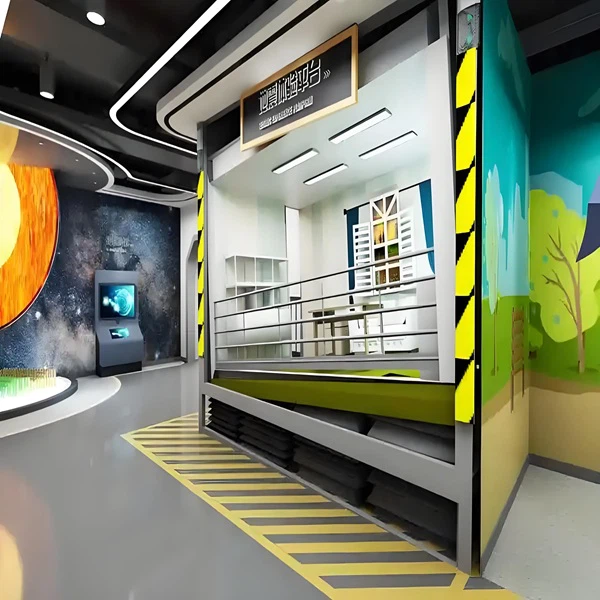

The virtual scenarios can also include challenges such as suspects who are uncooperative, injured, or under the influence of drugs. Trainees can practice dealing with these situations in a safe and controlled environment.
Comparison with Traditional Training Methods
Traditional training methods for anti - drug missions often involve classroom lectures, role - playing exercises, and live - fire training. While these methods have their merits, they also have limitations. Classroom lectures can be theoretical and may not provide hands - on experience. Role - playing exercises may lack realism, and live - fire training can be expensive and dangerous.
In contrast, the Mission Training Platform offers a more cost - effective and safer alternative. It allows for repeated practice without the need for expensive equipment or real - world locations. Trainees can make mistakes and learn from them without the risk of injury or damage. The platform also provides objective feedback, which is often difficult to obtain in traditional training methods.
Related Products and Their Potential in Anti - Drug Training
Our company also offers related products such as the Flight Driving Simulator, Flight Sim Hydraulic Platform, and Earthquake Simulation Platform. These products can also be integrated into anti - drug mission training in certain ways.
The Flight Driving Simulator can be used to train pilots for aerial surveillance in anti - drug operations. Pilots can practice flying over drug - prone areas, identifying targets from the air, and coordinating with ground teams. The Flight Sim Hydraulic Platform adds an extra level of realism to the flight simulation, simulating the movements and vibrations of an actual aircraft.
The Earthquake Simulation Platform may seem less relevant at first glance, but it can be used to simulate the chaos and destruction that may occur during a raid on a drug lab. Trainees can practice navigating through damaged buildings, rescuing injured suspects or bystanders, and dealing with the aftermath of a simulated earthquake.
Conclusion
In conclusion, the Mission Training Platform can be effectively used for training in anti - drug mission scenarios. Its customizable scenarios, high level of realism, and support for multi - user training make it an ideal tool for law enforcement agencies. By providing realistic and immersive training experiences, the platform can help trainees develop the skills and confidence needed to succeed in anti - drug operations.
If you are interested in learning more about our Mission Training Platform and how it can be tailored to your anti - drug training needs, please feel free to contact us. We are committed to providing the best training solutions for law enforcement agencies and look forward to discussing your requirements in detail.
References
- [List any relevant research papers, industry reports, or official documents that you used to support your points. For example:]
- Smith, J. (2020). Advancements in Law Enforcement Training Technology. Journal of Criminal Justice Training, 15(2), 45 - 58.
- Johnson, A. (2019). The Role of Simulation in Anti - Drug Operations Training. International Journal of Police Science, 22(3), 78 - 90.