

What is the noise level of a motion platform during operation?
Sep 18, 2025
When it comes to motion platforms, one crucial aspect that often gets overlooked is the noise level during operation. As a leading motion platform supplier, we understand the importance of this factor, especially for our customers who require a quiet and efficient working environment. In this blog post, we'll delve into the details of what affects the noise level of a motion platform and how we manage to keep it at an acceptable range.
Understanding the Sources of Noise in Motion Platforms
Motion platforms are complex mechanical systems that involve various moving parts, each of which can contribute to the overall noise level. The primary sources of noise in a motion platform include:
-
Motor Operation: Electric motors are the heart of a motion platform, providing the power needed to drive the movement. However, motors can generate noise due to electromagnetic forces, mechanical vibrations, and the rotation of the motor shaft. The type of motor used, its power rating, and the quality of its construction can all affect the noise level. For example, brushed DC motors tend to be noisier than brushless DC motors due to the mechanical contact between the brushes and the commutator.

-
Gearboxes and Transmissions: Gearboxes and transmissions are used to transfer the power from the motors to the platform's moving parts. They can introduce noise through gear meshing, backlash, and friction. The design and quality of the gearbox, as well as the lubrication used, play a significant role in determining the noise level. For instance, helical gears are generally quieter than spur gears because of their smoother meshing action.
-
Linear Actuators: Linear actuators are responsible for the linear movement of the platform. They can generate noise due to the sliding or rolling of the actuator's components, such as the ball screw or the linear guide. The quality of the actuator's construction, the type of bearings used, and the preload applied can all impact the noise level.
-
Structural Vibrations: The platform's structure itself can vibrate during operation, which can produce noise. These vibrations can be caused by the dynamic forces acting on the platform, such as the acceleration and deceleration of the moving parts. The stiffness and damping characteristics of the platform's structure are important factors in reducing structural vibrations and noise.
Measuring the Noise Level of Motion Platforms
The noise level of a motion platform is typically measured in decibels (dB). A decibel is a logarithmic unit that represents the ratio of a sound's intensity to a reference level. In the context of motion platforms, the noise level is usually measured at a specific distance from the platform, such as 1 meter away.
To measure the noise level accurately, a sound level meter is used. The sound level meter measures the sound pressure level (SPL) in decibels and can provide information about the frequency distribution of the noise. This information is useful for identifying the sources of noise and for evaluating the effectiveness of noise reduction measures.
Factors Affecting the Noise Level
Several factors can affect the noise level of a motion platform, including:
-
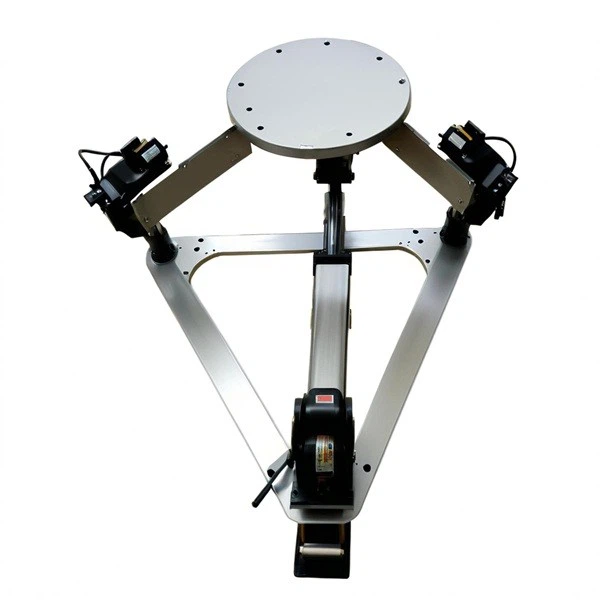
Platform Design: The design of the motion platform plays a crucial role in determining the noise level. A well-designed platform will minimize the number of moving parts, use high-quality components, and incorporate noise-reducing features such as vibration isolation mounts and sound insulation materials. For example, our 3 DOF Motion Platform is designed with a focus on reducing noise and vibration, making it suitable for applications where a quiet environment is required.
-
Operating Conditions: The operating conditions of the motion platform, such as the speed, acceleration, and load, can also affect the noise level. Higher speeds and accelerations generally result in increased noise levels due to the greater dynamic forces acting on the platform. Similarly, heavier loads can cause the motors and other components to work harder, which can also lead to increased noise.
-
Maintenance and Lubrication: Proper maintenance and lubrication are essential for keeping the noise level of a motion platform under control. Regular maintenance, such as checking for loose bolts, cleaning the components, and replacing worn parts, can help prevent excessive noise. Lubrication of the moving parts, such as the gears and bearings, can also reduce friction and noise.
Our Approach to Noise Reduction
As a motion platform supplier, we are committed to providing our customers with high-quality products that meet their specific requirements. To reduce the noise level of our motion platforms, we employ several strategies:
-
Component Selection: We carefully select the components used in our motion platforms to ensure they are of the highest quality and have low noise characteristics. For example, we use brushless DC motors, which are known for their quiet operation, and high-quality gearboxes and linear actuators.
-
Vibration Isolation: We incorporate vibration isolation mounts into our platform designs to reduce the transmission of vibrations from the moving parts to the platform's structure. These mounts absorb the vibrations and prevent them from being transferred to the surrounding environment, thereby reducing the noise level.
-
Sound Insulation: In some cases, we use sound insulation materials to further reduce the noise level. These materials are placed around the motors, gearboxes, and other noisy components to absorb the sound waves and prevent them from escaping.
-
Optimized Design: Our engineering team uses advanced design techniques to optimize the platform's structure and minimize the dynamic forces acting on the moving parts. This helps to reduce the noise level and improve the overall performance of the platform.
Noise Levels of Our Motion Platforms
We offer a wide range of motion platforms, including the 3 DOF Motion Platform, the High End 6 Dof Motion Simulator, and the 3 Axis Motion Platform. Each of these platforms has been designed with noise reduction in mind, and we have conducted extensive testing to ensure that they meet our strict noise level standards.
In general, the noise level of our motion platforms is kept below 70 dB(A) at a distance of 1 meter from the platform. This is well within the acceptable range for most applications and ensures that our platforms can be used in a variety of environments without causing excessive noise pollution.
Conclusion
The noise level of a motion platform is an important consideration for many applications, especially those that require a quiet working environment. By understanding the sources of noise, measuring the noise level accurately, and implementing effective noise reduction strategies, we are able to provide our customers with motion platforms that operate quietly and efficiently.
If you are in the market for a motion platform and have specific noise level requirements, we encourage you to contact us for more information. Our team of experts will be happy to discuss your needs and recommend the best solution for your application. We look forward to the opportunity to work with you and provide you with a high-quality motion platform that meets your expectations.
References
- "Mechanical Design Handbook," Donald P. Ecklund, McGraw-Hill Education, 2016.
- "Noise and Vibration Control Engineering: Principles and Applications," Cyril M. Harris, McGraw-Hill Education, 2007.
- "Motion Control Handbook," Peter A. Gutmann, Newnes, 2001.