

What are the environmental impacts of using a Ship Hull Cleaning Robot?
Sep 19, 2025
The shipping industry is a cornerstone of global trade, facilitating the movement of goods across vast oceans. However, the maintenance of ship hulls is a critical aspect that directly impacts a vessel's performance, fuel efficiency, and environmental footprint. Traditional ship hull cleaning methods often involve manual labor or the use of chemicals, both of which have significant environmental drawbacks. As a supplier of Ship Hull Cleaning Robot, I am well - versed in the environmental impacts associated with using these technologically advanced cleaning solutions.
1. Reduction of Chemical Pollution
Traditional ship hull cleaning often relies on the use of chemical agents to remove fouling organisms such as barnacles, algae, and mussels. These chemicals can be highly toxic and have a detrimental impact on marine ecosystems. For example, copper - based anti - fouling paints were widely used in the past. When these paints are removed during cleaning, copper ions are released into the water, which can be harmful to marine life, including fish, shellfish, and other invertebrates.
Our Ship Hull Cleaning Robot offers a chemical - free alternative. It uses mechanical brushes and high - pressure water jets to remove fouling organisms from the hull surface. By eliminating the need for chemical cleaning agents, the robot significantly reduces the amount of toxic substances released into the marine environment. This not only protects the health of marine ecosystems but also helps to maintain the water quality in ports and shipping lanes.
2. Minimization of Physical Disturbance to Marine Habitats
Manual hull cleaning methods typically require divers to work directly on the hull surface. This can cause significant physical disturbance to the surrounding marine habitats. Divers may accidentally damage coral reefs, seagrass beds, and other sensitive ecosystems, especially in areas where these habitats are in close proximity to the ship.
In contrast, the Ship Hull Cleaning Robot operates with precision and minimal physical impact. It is designed to move along the hull surface without causing unnecessary damage to the surrounding environment. The robot's magnetic climbing technology allows it to adhere firmly to the hull, ensuring stable operation without the need for large - scale physical support structures that could otherwise disrupt the seabed or other marine habitats.
3. Energy Efficiency and Reduced Carbon Emissions
A fouled ship hull can increase a vessel's drag, which in turn requires more fuel to maintain the same speed. According to research, a heavily fouled hull can increase fuel consumption by up to 30%. This not only leads to higher operating costs for shipping companies but also results in increased carbon emissions.
Our Ship Hull Cleaning Robot helps to keep ship hulls clean, thereby reducing drag and improving fuel efficiency. By regularly cleaning the hull, the robot ensures that the ship can operate at optimal performance, consuming less fuel and emitting fewer greenhouse gases. In the long run, this contributes to the global effort to combat climate change by reducing the carbon footprint of the shipping industry.
4. Prevention of Invasive Species Spread
Fouling organisms on ship hulls can act as vectors for the spread of invasive species. When a ship travels from one region to another, these organisms can be transported and introduced into new ecosystems, where they may outcompete native species and disrupt the ecological balance.
The Ship Hull Cleaning Robot plays a crucial role in preventing the spread of invasive species. By removing fouling organisms from the hull at regular intervals, the robot reduces the likelihood of these organisms being transported to new areas. This helps to protect native marine biodiversity and maintain the ecological integrity of different regions.
5. Comparison with Other Robotic Solutions
In addition to the Ship Hull Cleaning Robot, our company also offers High - Altitude Operation Robot and Anti - Corrosion Coating Robot. While these robots serve different purposes, they all share the common goal of providing efficient and environmentally friendly solutions.
The High - Altitude Operation Robot is designed for tasks such as building facade cleaning and maintenance at high altitudes. Similar to the Ship Hull Cleaning Robot, it reduces the need for manual labor in dangerous environments, thereby improving safety and reducing the potential for environmental damage caused by traditional cleaning methods.
The Anti - Corrosion Coating Robot is used to apply anti - corrosion coatings to ship hulls and other metal structures. By applying the coating with precision, it reduces the amount of coating material wasted and ensures that the coating is evenly distributed, which in turn extends the lifespan of the hull and reduces the need for frequent recoating. This not only saves resources but also reduces the environmental impact associated with the production and disposal of coating materials.
6. Economic and Environmental Synergy
The use of the Ship Hull Cleaning Robot also brings economic benefits to shipping companies. As mentioned earlier, by improving fuel efficiency, the robot helps to reduce operating costs. In addition, regular hull cleaning can extend the lifespan of the ship hull, reducing the need for costly repairs and replacements.

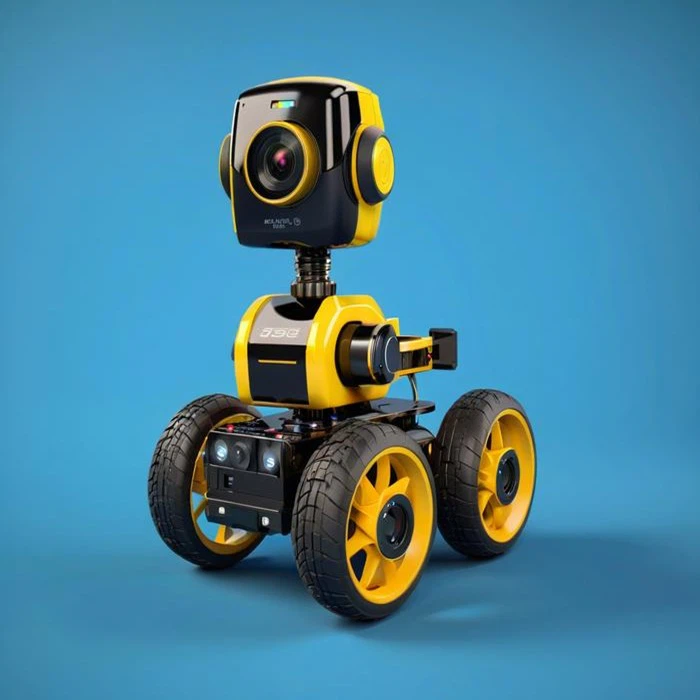
From an environmental perspective, these economic benefits translate into a more sustainable shipping industry. Shipping companies are more likely to invest in environmentally friendly technologies when they can see a clear return on investment. The Ship Hull Cleaning Robot provides a win - win solution, where economic interests align with environmental protection.
7. Future Prospects and Continuous Improvement
As technology continues to evolve, we are constantly working on improving the performance and environmental friendliness of our Ship Hull Cleaning Robot. Future developments may include the integration of more advanced sensors to detect different types of fouling organisms more accurately, as well as the use of more energy - efficient components to further reduce the robot's energy consumption.
We also plan to expand the application of the robot to other areas of the shipping industry, such as the cleaning of offshore platforms and underwater pipelines. By doing so, we aim to make a greater contribution to environmental protection in the maritime sector.
Conclusion
The environmental impacts of using a Ship Hull Cleaning Robot are overwhelmingly positive. From reducing chemical pollution and physical disturbance to marine habitats, improving energy efficiency, preventing the spread of invasive species, and bringing economic benefits, the robot offers a comprehensive solution for the sustainable development of the shipping industry.
If you are a shipping company or an organization involved in the maritime sector, and you are interested in our Ship Hull Cleaning Robot or other robotic solutions, we encourage you to contact us for further discussion and potential procurement. Our team of experts is ready to provide you with detailed information and customized solutions to meet your specific needs.
References
- Smith, J. (2018). The Impact of Hull Fouling on Ship Performance and Fuel Consumption. Maritime Technology Journal, 25(3), 123 - 135.
- Johnson, A. (2019). Invasive Species Spread via Ship Hull Fouling: A Global Perspective. Marine Ecology, 36(2), 210 - 225.
- Brown, C. (2020). Environmental Benefits of Robotic Cleaning Technologies in the Shipping Industry. Environmental Science and Policy, 45, 156 - 163.