

What are the lubrication requirements for a 6 DOF rotational platform?
Nov 05, 2025
A 6 DOF (Degrees of Freedom) rotational platform is a sophisticated piece of equipment widely used in various industries, including aerospace, automotive, and robotics. It allows for movement in six different axes - three translational (X, Y, Z) and three rotational (pitch, roll, yaw). To ensure its optimal performance, longevity, and reliability, proper lubrication is of utmost importance. As a supplier of 6 DOF rotational platforms, I understand the critical role that lubrication plays in the functionality of these platforms. In this blog post, I will discuss the lubrication requirements for a 6 DOF rotational platform.
Understanding the Components of a 6 DOF Rotational Platform
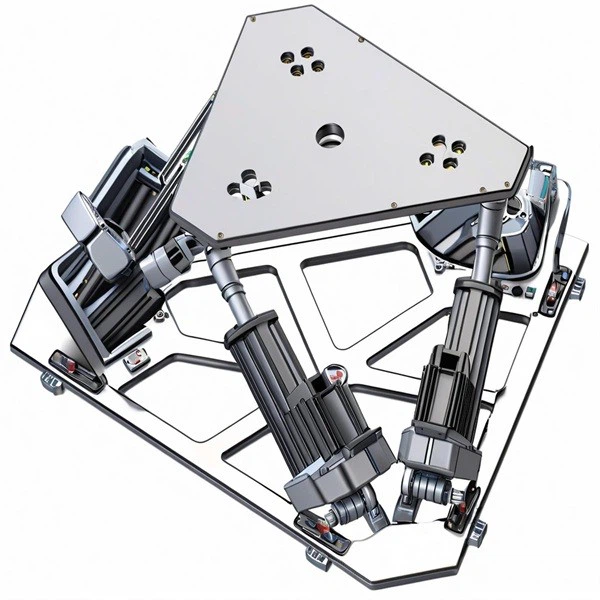
Before delving into the lubrication requirements, it is essential to understand the key components of a 6 DOF rotational platform. These platforms typically consist of motors, gears, bearings, and joints. Each of these components has specific lubrication needs to operate smoothly.
- Motors: The motors in a 6 DOF rotational platform are responsible for providing the power to move the platform in different directions. They often have moving parts such as shafts and bearings that require lubrication to reduce friction and prevent wear and tear.
- Gears: Gears are used to transmit power from the motors to the various axes of the platform. They mesh together to transfer rotational motion, and proper lubrication is crucial to ensure smooth operation and prevent gear damage.
- Bearings: Bearings support the rotating shafts and allow them to move freely. They are subjected to high loads and friction, and lubrication helps to reduce heat generation and extend their lifespan.
- Joints: The joints in a 6 DOF rotational platform enable the platform to move in different directions. They require lubrication to ensure smooth articulation and prevent binding.
Lubrication Requirements for Different Components
Motors
The lubrication requirements for motors depend on the type of motor and its operating conditions. In general, motors require a lubricant that can withstand high temperatures and provide good anti - wear protection.
- High - Temperature Resistance: Motors can generate a significant amount of heat during operation. The lubricant should have a high flash point and thermal stability to prevent it from breaking down under high temperatures. Synthetic lubricants are often a good choice for motors as they offer excellent high - temperature performance.
- Anti - Wear Protection: The moving parts in motors, such as the shafts and bearings, are subject to wear. A lubricant with anti - wear additives can help to reduce friction and protect these components from damage.
Gears
Gears are one of the most critical components in a 6 DOF rotational platform, and proper lubrication is essential for their performance.
- Load - Carrying Capacity: Gears are subjected to high loads, especially when the platform is moving heavy objects or operating under high - speed conditions. The lubricant should have a high load - carrying capacity to prevent gear tooth wear and pitting.
- Viscosity: The viscosity of the lubricant is an important factor for gears. A lubricant with the right viscosity will ensure proper film formation between the gear teeth, reducing friction and wear. The viscosity requirements may vary depending on the size, speed, and load of the gears.
Bearings
Bearings play a vital role in the smooth operation of a 6 DOF rotational platform, and their lubrication needs are specific.
- Friction Reduction: The primary function of lubrication in bearings is to reduce friction between the rolling elements and the raceways. This helps to minimize heat generation and energy consumption.
- Corrosion Protection: Bearings are often exposed to moisture and other contaminants, which can cause corrosion. A lubricant with corrosion - inhibiting additives can protect the bearings from rust and other forms of corrosion.
Joints
Joints in a 6 DOF rotational platform require lubrication to ensure smooth movement and prevent binding.
- Low - Friction Lubrication: The lubricant used for joints should have low friction properties to allow for easy articulation. It should also be able to adhere to the joint surfaces to provide long - lasting lubrication.
- Dust and Debris Resistance: Joints are exposed to the environment, and they can accumulate dust and debris. A lubricant that can resist the ingress of dust and debris can help to keep the joints clean and functioning properly.
Types of Lubricants
There are several types of lubricants available for 6 DOF rotational platforms, each with its own advantages and disadvantages.

- Mineral Oils: Mineral oils are derived from crude oil and are a common choice for lubrication. They are relatively inexpensive and offer good lubrication properties. However, they may not have the same high - temperature performance and oxidation resistance as synthetic lubricants.
- Synthetic Lubricants: Synthetic lubricants are chemically engineered to provide superior performance. They offer excellent high - temperature resistance, oxidation stability, and anti - wear properties. Synthetic lubricants are often more expensive than mineral oils but can provide longer service life and better protection for the components.
- Greases: Greases are a semi - solid lubricant that consists of a base oil and a thickening agent. They are often used in applications where a lubricant needs to stay in place, such as in bearings and joints. Greases can provide good sealing properties and protection against contaminants.
Lubrication Maintenance
Proper lubrication maintenance is essential to ensure the optimal performance of a 6 DOF rotational platform.
- Regular Inspections: Regular inspections of the lubrication system should be carried out to check for any signs of leakage, contamination, or degradation of the lubricant. Inspections can help to identify potential problems early and prevent costly breakdowns.
- Lubricant Replacement: Lubricants have a limited service life, and they need to be replaced at regular intervals. The replacement interval depends on the type of lubricant, the operating conditions, and the manufacturer's recommendations.
- Cleaning: Before adding new lubricant, the components should be cleaned to remove any old lubricant, dirt, and debris. This helps to ensure that the new lubricant can provide effective lubrication.
Importance of Proper Lubrication
Proper lubrication of a 6 DOF rotational platform offers several benefits.
- Improved Performance: By reducing friction and wear, proper lubrication allows the platform to operate more smoothly and efficiently. This can result in better precision and accuracy in the movement of the platform.
- Extended Service Life: Lubrication helps to protect the components from damage, which can extend their service life. This reduces the need for frequent replacements and maintenance, saving time and money in the long run.
- Reliability: A well - lubricated 6 DOF rotational platform is more reliable and less likely to experience breakdowns. This is especially important in industries where downtime can be costly.
Conclusion
As a supplier of 6 DOF Rotational Platform, I highly emphasize the significance of proper lubrication for these advanced platforms. Understanding the lubrication requirements for different components such as motors, gears, bearings, and joints is crucial for ensuring their optimal performance, longevity, and reliability. Whether you choose mineral oils, synthetic lubricants, or greases, regular maintenance and inspection are essential.
If you are in the market for a 6 DOF rotational platform or need more information about its lubrication requirements, feel free to contact us. We are also a provider of 3 DOF Motion Platform and Vibration Test Table. Our team of experts is ready to assist you in making the right choice for your specific needs. Let's start a conversation about how our products can meet your requirements and enhance your operations.
References
- "Machinery Lubrication Handbook" by Howard S. Rowlands
- "Lubrication Fundamentals" by John W. Bolander