

What sensors does a Ship Hull Cleaning Robot use?
Jun 11, 2026
Hey there! I'm a supplier of Ship Hull Cleaning Robots, and today I'm gonna talk about the sensors these nifty machines use.
First off, let's understand why sensors are so crucial for a Ship Hull Cleaning Robot. These robots operate in a harsh and challenging environment - the underwater hull of a ship. They need to navigate around the hull, detect obstacles, and ensure they're doing an effective cleaning job. Sensors are like the robot's eyes and ears, helping it make decisions and perform its tasks efficiently.
One of the most important sensors is the ultrasonic sensor. Ultrasonic sensors work by emitting high - frequency sound waves and then measuring the time it takes for the waves to bounce back. This allows the robot to detect the distance between itself and the hull surface. If the robot gets too close or too far from the hull, it can adjust its position accordingly. For example, if the ultrasonic sensor detects that the robot is getting too far from the hull, it can activate its propulsion system to move closer. This helps in maintaining a consistent cleaning distance and ensures that the cleaning tools are in proper contact with the hull.
Another key sensor is the vision sensor. Vision sensors, such as cameras, provide the robot with a visual understanding of its surroundings. They can help the robot identify different types of fouling on the hull, like barnacles, algae, or other debris. By analyzing the images captured by the vision sensor, the robot can determine the best cleaning method for each type of fouling. For instance, if the camera detects a large cluster of barnacles, the robot can switch to a more powerful cleaning tool to remove them. Vision sensors also help the robot avoid obstacles, like pipes or other structures on the hull.
In addition to ultrasonic and vision sensors, inertial measurement units (IMUs) are also used. IMUs consist of accelerometers and gyroscopes. Accelerometers measure the acceleration of the robot in different directions, while gyroscopes measure the angular velocity. This combination allows the robot to maintain its balance and orientation while moving on the hull. For example, if the robot is climbing a vertical section of the hull, the IMU can detect any tilt or deviation from its intended path and adjust the robot's movement to stay on track.

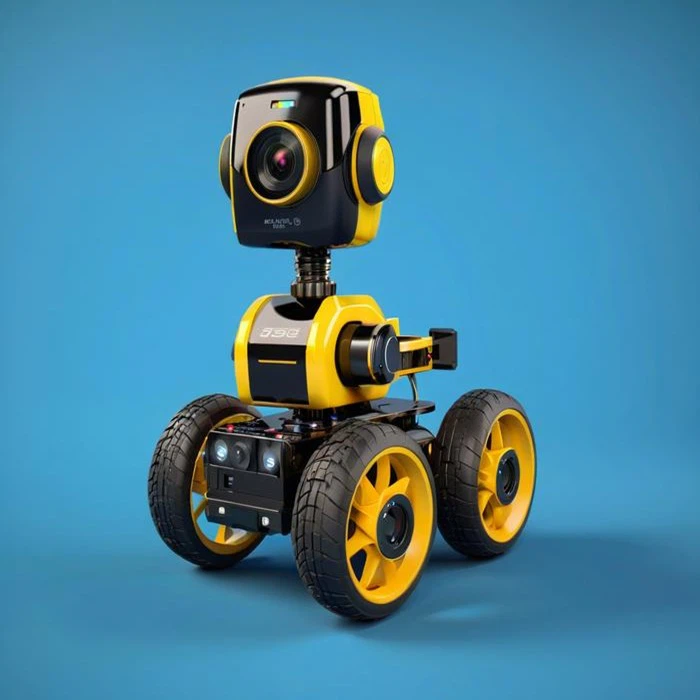
Pressure sensors are also an important part of the Ship Hull Cleaning Robot. These sensors measure the pressure exerted by the cleaning tools on the hull. If the pressure is too high, it could damage the hull's anti - corrosion coating. On the other hand, if the pressure is too low, the cleaning may not be effective. Pressure sensors help the robot maintain the optimal pressure for cleaning, ensuring that the hull is cleaned thoroughly without causing any damage.
Proximity sensors are used to detect nearby objects. They can help the robot avoid collisions with other vessels, equipment, or structures in the water. These sensors use different technologies, such as infrared or capacitive sensing, to detect the presence of objects in the robot's vicinity. If a proximity sensor detects an object, the robot can stop or change its course to avoid a collision.
Now, let's talk about how these sensors work together. The data from all these sensors is sent to the robot's control system. The control system processes this data and makes decisions based on it. For example, if the vision sensor detects a large amount of fouling in a particular area, and the ultrasonic sensor indicates that the robot is at the right distance from the hull, the control system can command the cleaning tools to start working at that location. The IMU ensures that the robot remains stable during the cleaning process, and the pressure sensor makes sure that the cleaning is done at the right pressure.
As a Ship Hull Cleaning Robot supplier, we understand the importance of these sensors in making our robots reliable and effective. Our robots are equipped with the latest sensor technologies to ensure optimal performance. We also offer a range of other magnetic - climbing robots, such as the Anti - Corrosion Coating Robot and the Wind Turbine Maintenance Robot. These robots also rely on similar sensor technologies to perform their tasks.
If you're in the market for a Ship Hull Cleaning Robot, you can check out our Ship Hull Cleaning Robot. We're always happy to discuss your specific needs and provide you with a solution that fits your requirements. Whether you have a small fishing boat or a large cargo ship, our robots can get the job done. So, don't hesitate to reach out and start a conversation about how our robots can help you keep your ship's hull clean and in good condition.
References:
- "Robotics for Marine Applications", published by a leading robotics research institute.
- "Sensor Technologies in Underwater Robotics", a research paper from a well - known engineering journal.