

What is the technology behind a 5d Flying Theater?
Dec 31, 2025
What is the technology behind a 5D Flying Theater?
As a supplier of 5D Flying Theaters, I've witnessed firsthand the magic and allure of this immersive entertainment experience. The 5D Flying Theater combines cutting - edge technologies to transport audiences into a world where they feel like they're truly flying through breathtaking landscapes, engaging in thrilling adventures, or exploring far - off places. In this blog, I'll delve into the key technologies that make a 5D Flying Theater such a captivating attraction.
Projection Technology
One of the most fundamental aspects of a 5D Flying Theater is the projection system. High - resolution projectors are used to create a large - scale, immersive visual experience. These projectors are capable of delivering sharp images with vibrant colors and high contrast ratios.
For a truly seamless and enveloping view, multiple projectors are often used in combination. Edge blending technology is employed to ensure that the images from different projectors merge smoothly, creating a single, continuous image across the large screen. This is crucial for creating the illusion of a vast, unbroken environment that the audience can fly through.
Ultra - short throw projectors are also commonly used in 5D Flying Theaters. These projectors can be placed close to the screen, which saves space in the theater and allows for a more compact design. They can project large - scale images from a short distance, making them ideal for the limited space within a theater.
Screen Technology
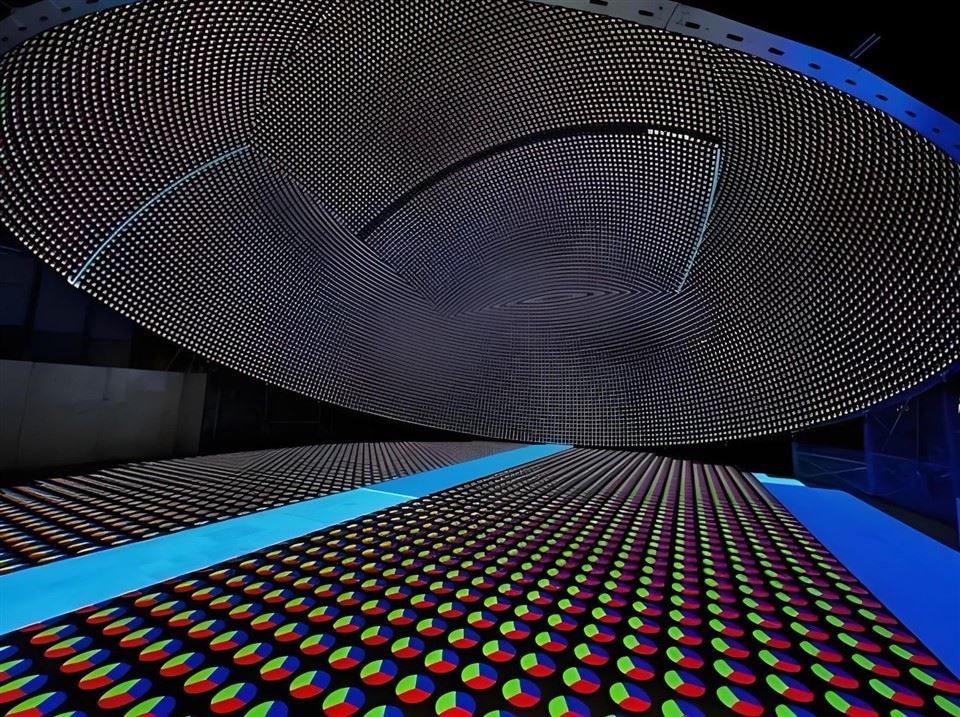
The screen in a 5D Flying Theater is not just an ordinary flat screen. It is typically a curved or spherical screen that enhances the immersive experience. A curved screen can wrap around the audience, creating a sense of being surrounded by the virtual world. Spherical screens, on the other hand, offer an even more immersive experience, as they can provide a 360 - degree view.
The material of the screen is also carefully selected. It needs to have high reflectivity to ensure that the projected images are bright and clear. Additionally, it should have a wide viewing angle so that the audience can enjoy a consistent visual experience from different seats in the theater. Some 5D Flying Theaters use Flying Dome Cinema technology, which features a dome - shaped screen that provides a truly immersive and panoramic view.
Motion Simulation Technology
Motion simulation is what makes the audience feel like they're actually flying. The seats in a 5D Flying Theater are equipped with sophisticated motion systems that can move in multiple directions. These systems can tilt, roll, pitch, and even vibrate to mimic the movements of flying.
Hydraulic or electric actuators are commonly used to control the movement of the seats. The motion of the seats is precisely synchronized with the visual content on the screen. For example, when the virtual plane in the video banks to the left, the seats will also tilt to the left, creating a seamless and realistic flying experience.
Advanced motion control algorithms are used to ensure smooth and accurate movements. These algorithms take into account factors such as the speed, acceleration, and direction of the virtual flight to provide a natural - feeling motion for the audience. Some 5D Flying Theaters also use haptic feedback technology, which can provide additional tactile sensations to enhance the realism. For instance, when the virtual aircraft passes through turbulence, the seats can vibrate and shake to simulate the feeling of rough air.
Audio Technology
Audio plays a crucial role in creating an immersive 5D Flying Theater experience. A surround sound system is used to envelop the audience in a rich and realistic audio environment. Multiple speakers are strategically placed around the theater to create a 3D audio effect.
The audio system can reproduce a wide range of sounds, from the roar of the engines to the gentle rustling of the wind. The sound is carefully synchronized with the visual and motion elements of the experience. For example, when the virtual plane takes off, the audience will hear the powerful sound of the engines, and as it flies over different landscapes, they will hear the corresponding environmental sounds.
Some 5D Flying Theaters also use directional audio technology. This technology can direct the sound to specific areas of the theater, creating a more precise and immersive audio experience. For example, if the virtual plane is flying from left to right, the sound of the engines will seem to move across the theater, enhancing the sense of movement and direction.
Special Effects Technology
To further enhance the realism of the 5D Flying Theater experience, special effects are often incorporated. These effects can include wind, mist, light, and smell.

Wind machines are used to create the sensation of flying through the air. The intensity and direction of the wind can be adjusted according to the visual content. For example, when the virtual plane is flying at high speed, strong winds will blow in the theater, and when it enters a calm area, the wind will become gentle.
Mist machines can create a foggy or hazy effect, which is useful for simulating different weather conditions or flying through clouds. Lights can be used to enhance the mood and atmosphere of the experience. For example, flashing lights can be used to simulate lightning during a thunderstorm.
Smell generators can release different scents to match the virtual environment. When the virtual plane flies over a forest, the audience will smell the fresh scent of trees, and when it passes over the ocean, they will smell the salty sea air.
Software and Control Systems
All of these technologies need to be coordinated and controlled by a sophisticated software system. The software is responsible for synchronizing the projection, motion, audio, and special effects. It ensures that all the elements work together seamlessly to provide a smooth and immersive experience.
The control system allows the operators to manage and customize the shows. They can select different content, adjust the settings of the motion, audio, and special effects, and monitor the performance of the theater. Additionally, the software can store and analyze data about the audience's experience, which can be used for further improvement and optimization.
As a supplier of 5D Flying Theaters, we offer a range of solutions, including LED Translucent Dome Theater and 5D Flying Cinema. Our theaters are designed to provide the highest level of immersion and entertainment. If you're interested in bringing this exciting experience to your venue, whether it's an amusement park, a museum, or a shopping mall, we'd love to discuss your requirements. Contact us to start a conversation about how we can customize a 5D Flying Theater for you and create a one - of - a - kind entertainment experience for your audience.
References
- "Immersive Entertainment Technologies: A Comprehensive Guide" by John Smith
- "Advances in Motion Simulation and Special Effects for Theaters" by Jane Doe
- Industry reports on the latest trends in 5D and immersive entertainment technologies.