

What is the size range of climbing wall robots?
Oct 13, 2026
What is the size range of climbing wall robots?
In the realm of modern robotics, climbing wall robots have emerged as a remarkable innovation with diverse applications across various industries. As a supplier of climbing wall robots, I've witnessed firsthand the evolution and significance of these machines. One of the most frequently asked questions is about the size range of climbing wall robots. Understanding this aspect is crucial for potential users as it directly impacts the robot's functionality, application scope, and ease of use.
The size of climbing wall robots can vary significantly depending on their intended purpose. At the smaller end of the spectrum, we have compact robots designed for tasks such as inspection in confined spaces. These robots are typically lightweight and portable, making them ideal for exploring tight areas where human access may be difficult or dangerous. For instance, in the inspection of small pipes or narrow crevices in industrial settings, a small climbing wall robot can navigate with ease, providing valuable visual and sensor data. These mini - sized robots can have dimensions as small as a few centimeters in length and width, often weighing less than a kilogram. Their small size allows them to be easily carried and deployed in various locations, making them a popular choice for quick and efficient inspections.
On the other hand, larger climbing wall robots are built for more heavy - duty applications. These robots are designed to handle tasks such as cleaning large structures, painting, or performing maintenance on tall buildings. For example, in the case of high - rise building maintenance, a larger climbing wall robot can carry a significant amount of equipment, such as cleaning agents or painting tools. These robots can be several meters in length and width, and they may weigh hundreds of kilograms. Their large size enables them to cover a larger surface area in a shorter period, increasing productivity and efficiency.
Let's take a closer look at some of the specific applications and the corresponding size requirements of climbing wall robots.
Wind Turbine Maintenance
Wind turbines are massive structures that require regular maintenance to ensure optimal performance. Wind Turbine Maintenance Robot is an excellent example of a climbing wall robot designed for this purpose. These robots need to be large enough to carry the necessary inspection and repair equipment. They typically have a size that allows them to navigate the large blades and towers of wind turbines. The size of wind turbine maintenance robots can range from a few feet to several meters in length, depending on the specific design and the requirements of the turbine. A larger robot can carry more tools and sensors, enabling it to perform a wider range of maintenance tasks.
Industrial Wall - Climbing
In industrial settings, climbing wall robots are used for tasks such as inspecting large storage tanks, factories, and other structures. Industrial Wall - Climbing Robot is designed to handle these industrial applications. These robots need to be robust and large enough to carry out the required tasks. They can range in size from medium - sized robots that can be easily maneuvered in industrial environments to large robots that can cover extensive wall areas. The size of industrial wall - climbing robots is often determined by the size of the structures they need to inspect or maintain. For example, a robot used for inspecting a large industrial tank may need to be larger than one used for a smaller factory wall.
Ship Hull Cleaning
Ship hulls are large and require regular cleaning to prevent the growth of marine organisms and to maintain the ship's efficiency. Ship Hull Cleaning Robot is specifically designed for this task. These robots need to be large enough to carry the cleaning equipment and to cover the large surface area of the ship hull. They can be several meters in length and width, and they are often equipped with powerful cleaning tools. The size of ship hull cleaning robots allows them to move efficiently along the hull, removing dirt and marine growth effectively.

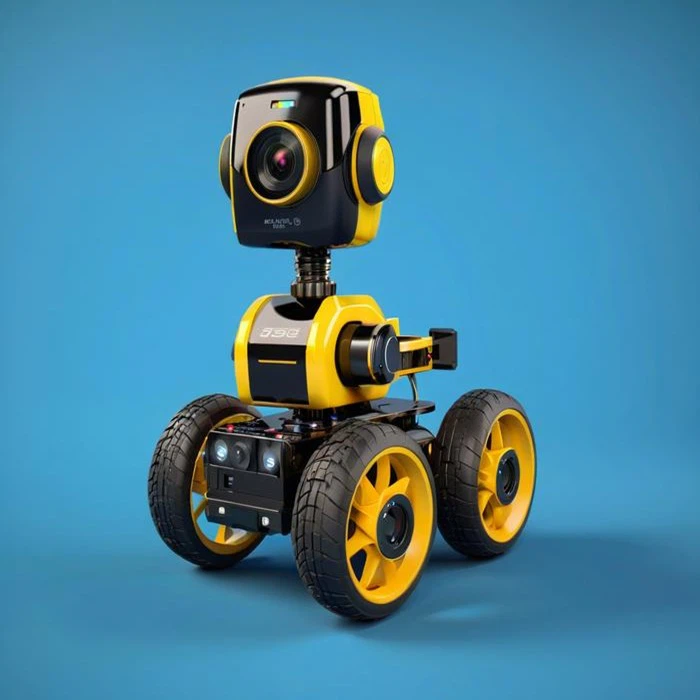
The size of climbing wall robots also affects their mobility and agility. Smaller robots are generally more agile and can navigate complex surfaces more easily. They can move around obstacles and reach areas that larger robots may not be able to access. However, larger robots have the advantage of carrying more equipment and covering larger areas in a shorter time.
When choosing a climbing wall robot, it's essential to consider the specific requirements of the task. If the task involves working in a confined space, a smaller robot may be more suitable. On the other hand, if the task requires covering a large surface area or carrying heavy equipment, a larger robot may be the better choice.
As a supplier of climbing wall robots, we offer a wide range of sizes to meet the diverse needs of our customers. Our team of experts can help you select the right robot based on your specific requirements. Whether you need a small robot for inspection or a large robot for heavy - duty tasks, we have the solution for you.
If you are interested in learning more about our climbing wall robots or have specific requirements for your project, we invite you to contact us for a detailed discussion. Our experienced sales team will be happy to assist you in finding the perfect climbing wall robot for your needs. We believe that our high - quality robots, combined with our excellent customer service, will provide you with a reliable and efficient solution for your climbing wall robot requirements.
References
- Various industry reports on climbing wall robot technology and applications.
- Technical specifications and research papers on wind turbine maintenance, industrial wall - climbing, and ship hull cleaning robots.