

What is the maximum speed of a 3 DOF motion platform?
Oct 08, 2025
Hey there! As a supplier of 3 DOF motion platforms, I often get asked about the maximum speed of these nifty devices. So, let's dive right in and explore this topic.
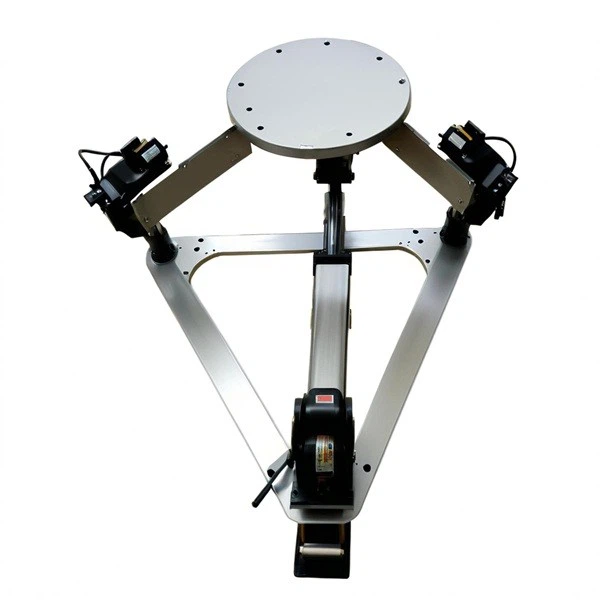
First off, what exactly is a 3 DOF motion platform? Well, it's a system that can move in three Degrees of Freedom (DOF). These typically include pitch, roll, and heave. This kind of platform is used in a wide range of applications, from flight simulators to industrial testing. You can check out more about it here: 3 DOF Motion Platform.
Now, onto the question at hand: What's the maximum speed of a 3 DOF motion platform? The answer isn't as straightforward as you might think. There are several factors that influence the maximum speed, and I'll break them down for you.
Factors Affecting the Maximum Speed
1. Actuator Capabilities
The actuators are the heart of the motion platform. They're the components that actually move the platform. Different types of actuators, like hydraulic, electric, or pneumatic, have different speed capabilities.
Hydraulic actuators are known for their high force and relatively high speed. They can generate a lot of power, which allows the platform to move quickly. However, they also require a complex hydraulic system, which can add to the cost and maintenance.
Electric actuators, on the other hand, are often more precise and can be controlled more easily. They're also generally more energy - efficient. But their maximum speed might be limited compared to hydraulic actuators, depending on the motor and gearbox used.
Pneumatic actuators are usually the least expensive option. They're fast in some cases, but they might not be able to generate as much force as hydraulic or electric actuators. So, if you need a high - speed platform with a lot of force, pneumatic actuators might not be the best choice.
2. Load Capacity
The weight of the load on the platform has a big impact on its maximum speed. A heavier load will require more force to move, which can slow down the platform. For example, if you're using a 3 DOF motion platform as a flight simulator with a full - size cockpit and all the necessary equipment, it will be much heavier than a platform used for a small - scale testing application.
Let's say you have a platform with a certain actuator setup that can move at a high speed when there's no load. But as you start adding more weight, the speed will gradually decrease. This is because the actuators have to work harder to move the additional mass.
3. Structural Design
The design of the platform itself also plays a role in its maximum speed. A well - designed platform with a strong and rigid structure can handle higher speeds without vibrating or getting damaged. On the other hand, a poorly designed platform might start to shake or even break at high speeds.
For instance, if the frame of the platform is too weak, it might not be able to withstand the forces generated during high - speed movement. This can lead to inaccurate motion and even safety issues. So, when designing a 3 DOF motion platform, engineers have to consider the structural integrity to ensure it can reach its maximum speed safely.
4. Control System
The control system is what tells the actuators when and how to move. A good control system can optimize the speed of the platform. It can adjust the actuator movements based on the load, the desired motion profile, and other factors.
For example, some advanced control systems use algorithms to predict the load and adjust the actuator speed accordingly. This can help the platform reach its maximum speed more efficiently. On the other hand, a basic control system might not be able to handle complex motion profiles or adjust to changes in the load as well, which can limit the platform's speed.
Typical Maximum Speeds
So, what are the typical maximum speeds for 3 DOF motion platforms? Well, it really depends on the application and the design of the platform.
In general, for small - scale testing platforms, the maximum speed might be around 1 - 2 meters per second. These platforms are often used for testing small components or prototypes, and they don't need to move very fast.
For flight simulators, the maximum speed can vary widely. Some entry - level flight simulators might have a maximum speed of around 3 - 5 meters per second, while high - end professional simulators can reach speeds of up to 10 meters per second or more. These high - speed simulators are designed to provide a more realistic flight experience, with rapid movements and quick changes in direction.
Industrial applications, such as vibration testing, also have different speed requirements. You can learn more about vibration test tables here: Vibration Test Table. For some vibration testing applications, the platform might need to move at a relatively low speed, perhaps around 0.5 - 1 meter per second, to accurately simulate the vibrations. But for other applications, like shock testing, the platform might need to move much faster, up to 5 - 10 meters per second.

Real - World Examples
Let's take a look at a couple of real - world examples to better understand the maximum speed of 3 DOF motion platforms.
Example 1: A small - scale 3 DOF motion platform used for testing electronic components. This platform has electric actuators and a relatively light load. It's designed to move small printed circuit boards (PCBs) back and forth to simulate vibrations. The maximum speed of this platform is around 1.5 meters per second. This speed is sufficient for the testing requirements, and it allows the platform to quickly and accurately test the components.
Example 2: A high - end flight simulator with a full - size cockpit. This platform uses hydraulic actuators to provide high - force and high - speed movement. It can simulate rapid takeoffs, landings, and maneuvers. The maximum speed of this platform is around 8 meters per second, which provides a very realistic flight experience for the pilots training on it.
How to Optimize the Maximum Speed
If you're looking to get the maximum speed out of your 3 DOF motion platform, here are some tips:
- Choose the right actuators: As we discussed earlier, different actuators have different speed capabilities. Make sure you select the actuators that are best suited for your application and speed requirements.
- Minimize the load: Try to keep the weight on the platform as low as possible. This can involve using lightweight materials for the load or removing any unnecessary components.
- Optimize the control system: Work with a professional to tune the control system to get the best performance. This might involve adjusting the control parameters or using more advanced control algorithms.
- Ensure proper maintenance: Regular maintenance of the platform, including the actuators, the structure, and the control system, is essential. This can help keep the platform in good working condition and ensure it can reach its maximum speed.
Conclusion
In conclusion, the maximum speed of a 3 DOF motion platform is influenced by several factors, including actuator capabilities, load capacity, structural design, and the control system. There's no one - size - fits - all answer to what the maximum speed is, as it varies depending on the application.
Whether you're in the market for a small - scale testing platform or a high - end flight simulator, it's important to understand these factors so you can choose the right platform for your needs. If you're interested in our 3 Axis Motion Platform or any of our other products, feel free to reach out to us for more information and to discuss your specific requirements. We're here to help you find the perfect motion platform solution.
References
- "Motion Control Handbook" by Peter Nachtwey
- "Flight Simulation Technology" by John Anderson
- Industry whitepapers on 3 DOF motion platforms from leading manufacturers