

What is the lifespan of a climbing wall robot?
Jul 31, 2025
The lifespan of a climbing wall robot is a critical concern for both operators and suppliers in various industries. As a supplier of climbing wall robots, I've witnessed firsthand the diverse applications and the associated demands placed on these remarkable machines. In this blog, I'll delve into the factors that influence the lifespan of a climbing wall robot, share insights based on real - world experience, and discuss how we can extend their useful life.
Understanding Climbing Wall Robots
Before we explore the lifespan, let's briefly understand what climbing wall robots are. These are specialized robotic devices designed to move along vertical or inclined surfaces. They are equipped with various technologies such as magnetic adhesion, suction cups, or other gripping mechanisms to ensure stability during movement. Climbing wall robots find applications in multiple fields, including High - Altitude Operation Robot for tasks like building facade inspection, bridge maintenance, and Ship Hull Cleaning Robot for marine vessel upkeep. Our Climbing Wall Robot is engineered to meet the specific needs of these industries, providing reliable and efficient performance.
Factors Affecting the Lifespan
1. Operating Environment
The environment in which a climbing wall robot operates plays a significant role in determining its lifespan. Harsh conditions, such as extreme temperatures, high humidity, and exposure to corrosive substances, can accelerate wear and tear. For example, in a ship hull cleaning scenario, the robot is constantly exposed to saltwater, which can corrode its metal components over time. Similarly, in high - altitude operations, the robot may face low temperatures and strong winds, which can affect the performance of its electronic components and mechanical joints.
2. Frequency of Use
The more frequently a climbing wall robot is used, the shorter its lifespan is likely to be. Continuous operation leads to increased mechanical stress on the robot's moving parts, such as motors, gears, and tracks. Each movement causes friction and wear, gradually degrading the components. For instance, if a climbing wall robot is used for multiple hours every day for building inspection, the chances of mechanical failure are higher compared to a robot that is used sparingly.
3. Maintenance and Servicing
Proper maintenance and servicing are essential for extending the lifespan of a climbing wall robot. Regular inspections, lubrication of moving parts, and timely replacement of worn - out components can significantly reduce the risk of breakdowns. However, if maintenance is neglected, small issues can escalate into major problems, leading to premature failure of the robot. For example, failing to clean the suction cups or magnetic pads can result in reduced adhesion, which may cause the robot to fall or malfunction.

4. Quality of Components
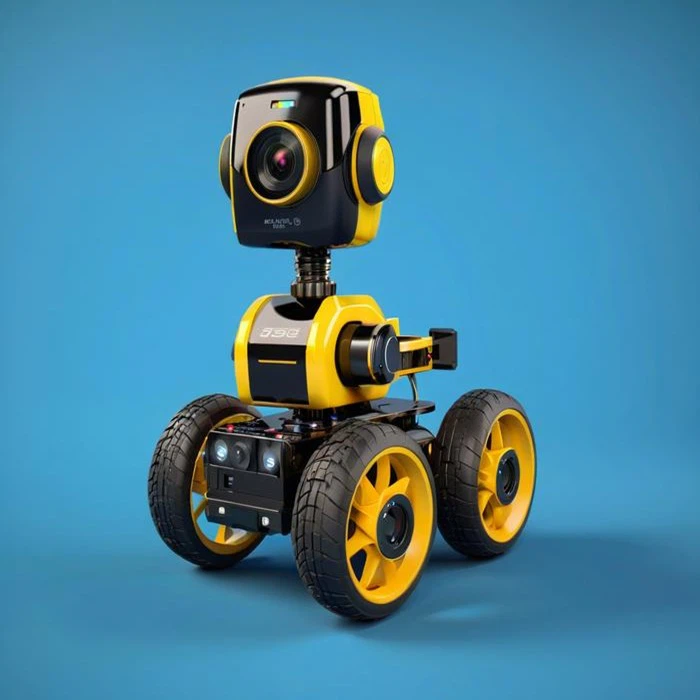
The quality of the components used in the manufacturing of a climbing wall robot directly impacts its lifespan. High - quality motors, sensors, and structural materials are more durable and can withstand the rigors of continuous operation. Cheaper components may be more prone to failure, leading to frequent repairs and a shorter overall lifespan. At our company, we use only the highest - quality components in our climbing wall robots to ensure long - term reliability.
Estimating the Lifespan
It's difficult to provide an exact lifespan for a climbing wall robot as it depends on the factors mentioned above. However, with proper maintenance and under normal operating conditions, a well - built climbing wall robot can last anywhere from 5 to 10 years. In some cases, where the operating environment is relatively mild and the usage is limited, the robot may even last longer.
For example, a climbing wall robot used for occasional building facade inspections in a temperate climate and with regular maintenance can easily reach the upper end of the lifespan range. On the other hand, a robot used for continuous ship hull cleaning in a harsh marine environment may have a shorter lifespan, closer to 5 years.
Extending the Lifespan
1. Optimize Operating Conditions
Whenever possible, try to optimize the operating conditions for the climbing wall robot. This may involve protecting the robot from extreme weather conditions, providing a clean and dry storage area, and minimizing exposure to corrosive substances. For example, if the robot is used for outdoor operations, it can be equipped with weather - resistant covers to shield it from rain and sunlight.
2. Implement a Maintenance Schedule
Developing and following a comprehensive maintenance schedule is crucial. This should include regular inspections of all components, lubrication of moving parts, and calibration of sensors. It's also important to keep detailed records of all maintenance activities, including the date of inspection, parts replaced, and any issues detected. This information can help in predicting future maintenance needs and identifying potential problems early.
3. Upgrade Components
As technology advances, consider upgrading the components of the climbing wall robot. This can improve its performance, efficiency, and reliability. For example, upgrading to a more powerful motor or a more accurate sensor can enhance the robot's capabilities and extend its useful life.
Conclusion
The lifespan of a climbing wall robot is influenced by multiple factors, including the operating environment, frequency of use, maintenance, and component quality. While it's challenging to provide an exact lifespan, with proper care and management, these robots can serve for a significant number of years. At our company, we are committed to providing high - quality climbing wall robots and offering comprehensive support to our customers to ensure the long - term success of their operations.
If you're interested in learning more about our climbing wall robots or discussing your specific requirements, we invite you to contact us for a procurement consultation. We look forward to partnering with you to meet your robotic needs.
References
- "Robotics in Industrial Maintenance: Principles and Applications"
- "Materials Science for Robotic Components"
- Industry reports on climbing wall robot usage and performance.