

What is the development trend of climbing wall robots?
Jun 26, 2025
Hey there! As a supplier of Climbing Wall Robots, I've been closely following the development trends in this super - cool field. In this blog, I'll share with you what I think are the key directions for the future of climbing wall robots.
1. Enhanced Adhesion Technologies
One of the most critical aspects of a climbing wall robot is its ability to stick to various surfaces. Currently, there are several adhesion methods, such as magnetic adhesion, vacuum adhesion, and bio - inspired adhesion.
Magnetic adhesion is widely used, especially in industrial applications. Our Industrial Wall-Climbing Robot relies on strong magnets to attach to ferromagnetic surfaces. This technology is great for tasks like inspecting steel structures in factories or bridges. But the limitation is that it only works on magnetic materials.
Vacuum adhesion, on the other hand, can be used on a wider range of surfaces. It creates a low - pressure area between the robot and the wall, holding it firmly in place. However, it requires a constant power supply to maintain the vacuum, which can limit the robot's battery life.
Bio - inspired adhesion is an emerging trend. Scientists have looked at animals like geckos, which can climb vertical surfaces with ease. Gecko - like adhesives use millions of tiny hairs to create van der Waals forces, allowing the robot to stick to surfaces without the need for magnets or vacuums. In the future, we can expect to see more climbing wall robots using this technology, enabling them to climb on a variety of materials, including smooth glass and rough concrete.
2. Increased Autonomy
Autonomous operation is becoming more and more important for climbing wall robots. In the past, most robots needed a human operator to control their every move. But with the development of artificial intelligence (AI) and sensor technologies, robots can now make decisions on their own.
For example, robots can use cameras and LiDAR sensors to map their environment and detect obstacles. They can then plan the best path to reach their destination without human intervention. This is particularly useful in large - scale industrial applications, such as inspecting tall buildings or large ships. Our Ship Hull Cleaning Robot is already starting to incorporate some autonomous features. It can identify areas of the ship hull that need cleaning and adjust its cleaning pattern accordingly.
In the future, we can expect climbing wall robots to be even more autonomous. They will be able to handle complex tasks, such as performing detailed inspections, making repairs, and interacting with other robots on the same job site.
3. Miniaturization and Portability
As technology advances, climbing wall robots are getting smaller and more portable. Miniaturized robots have several advantages. They can access tight spaces that larger robots can't reach, such as small pipes or narrow gaps in buildings. They are also easier to transport and set up, which is a big plus for on - site operations.
We're already working on developing smaller and more lightweight versions of our Climbing Wall Robot. These mini - robots will be perfect for tasks like inspecting ventilation ducts or small electrical installations. They can be carried around by a single operator and deployed quickly, saving time and labor costs.
4. Multi - functionality
Today's climbing wall robots are often designed for a single task, such as inspection or cleaning. But in the future, we'll see more multi - functional robots that can perform multiple tasks.
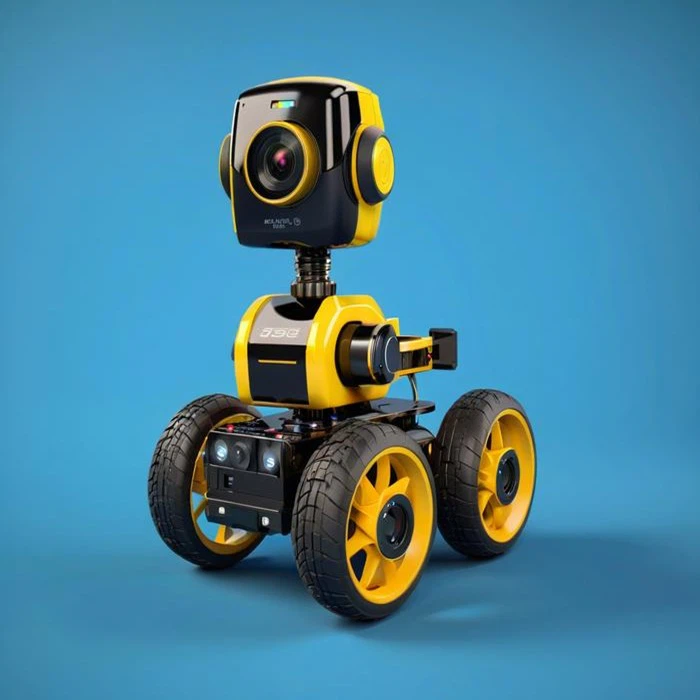

For instance, a robot could be equipped with sensors for inspection, tools for cleaning, and even equipment for making minor repairs. This would eliminate the need to use multiple robots for different tasks, making the whole process more efficient and cost - effective. A multi - functional climbing wall robot could be used in a variety of industries, from construction to maintenance.
5. Improved Communication and Connectivity
Good communication and connectivity are essential for climbing wall robots, especially when they are working in teams or need to report data back to a control center. In the future, we can expect robots to have better communication capabilities, using technologies like 5G and Wi - Fi 6.
With high - speed communication, robots can share information in real - time, such as their location, status, and the data they've collected. This will enable better coordination between robots and human operators. For example, if one robot detects a problem, it can quickly send the information to other robots and the control center, allowing for a faster response.
6. Safety Enhancements
Safety is always a top priority when it comes to climbing wall robots. In the future, we'll see more safety features being added to these robots.
For example, robots could be equipped with emergency stop buttons and fail - safe mechanisms. If something goes wrong, the robot can automatically stop and prevent any potential accidents. Additionally, sensors can be used to detect changes in the robot's adhesion or movement, alerting the operator if there is a risk of the robot falling.
7. Environmental Adaptability
Climbing wall robots will need to be able to operate in a variety of environmental conditions. They may need to work in extreme temperatures, high humidity, or even in hazardous environments.
In the future, robots will be designed with materials and components that can withstand these conditions. For example, they could be made with heat - resistant materials for use in high - temperature industrial settings or waterproof components for underwater operations.
Conclusion
The development trends of climbing wall robots are very exciting. With enhanced adhesion technologies, increased autonomy, miniaturization, multi - functionality, improved communication, safety enhancements, and better environmental adaptability, these robots will become even more useful in a wide range of industries.
If you're interested in learning more about our climbing wall robots or are considering a purchase, I encourage you to reach out to us. We'd be more than happy to discuss your specific needs and how our robots can meet them. Whether you need a robot for industrial inspection, ship hull cleaning, or any other application, we have the expertise and the products to help you.
References
- "Bio - inspired Adhesives for Climbing Robots" - Journal of Robotics Research
- "Autonomous Navigation for Wall - Climbing Robots" - IEEE Transactions on Robotics
- "Advances in Climbing Robot Technology" - International Journal of Advanced Robotic Systems