

What is the climbing efficiency of a magnetic climbing robot?
Dec 26, 2025
Hey there! As a supplier of magnetic climbing robots, I often get asked about the climbing efficiency of these nifty machines. So, let's dive right in and break it down.
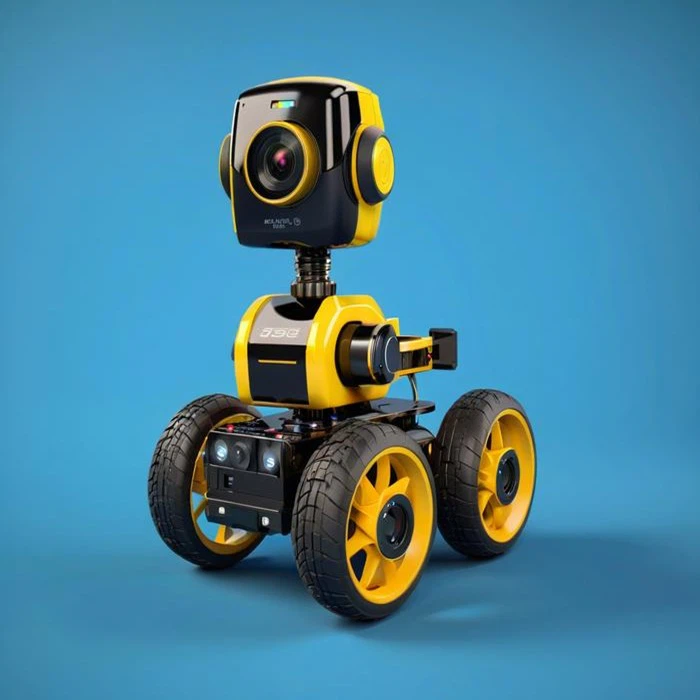

First off, what exactly is climbing efficiency? Well, in simple terms, it's how well a magnetic climbing robot can move up, down, and across surfaces. We're talking about factors like speed, stability, and the ability to carry out tasks while on the move.
One of the key elements that affects climbing efficiency is the magnetic adhesion system. Our robots are equipped with state - of - the - art magnetic technology that ensures a strong grip on ferromagnetic surfaces. This magnetic force is crucial as it allows the robot to stay attached to the surface, even when it's moving at a decent pace or performing complex maneuvers.
Let's talk about speed. A fast - moving robot can cover more ground in less time, which is a big plus when you're looking to get a job done quickly. Our magnetic climbing robots are designed to have an optimal speed that balances between getting the work done efficiently and maintaining stability. For example, in applications like Ship Hull Cleaning Robot, a faster climbing speed means less time spent on cleaning the hull of a ship. This not only saves labor costs but also reduces the downtime of the vessel.
Stability is another major factor. A wobbly robot is not going to be very efficient, right? Our robots are engineered with a low center of gravity and a well - balanced design. This helps them stay steady on vertical and even inverted surfaces. Whether it's a High - Altitude Operation Robot working on a skyscraper or a Wind Turbine Maintenance Robot on a windmill, stability is essential for accurate task execution.
The payload capacity also plays a role in climbing efficiency. If a robot can carry more tools or equipment, it can perform more tasks without having to make frequent trips back to base. Our magnetic climbing robots are built to handle a reasonable payload, which means they can carry cleaning brushes, inspection cameras, or repair tools depending on the application.
Now, let's consider the power consumption. An energy - efficient robot can operate for longer periods without needing a recharge. We've worked hard on optimizing the power systems of our magnetic climbing robots. By using high - efficiency motors and smart power management, we've managed to extend the operating time. This is especially important in large - scale projects where continuous operation is required.
In addition to these technical aspects, the ease of operation also impacts climbing efficiency. Our robots come with user - friendly control interfaces. Whether it's a remote control or a software - based system, operators can quickly learn how to navigate the robot. This reduces the training time and allows for faster deployment in the field.
Let's take a closer look at some real - world scenarios. In the shipbuilding and maintenance industry, our Ship Hull Cleaning Robot can clean the hull much faster than traditional manual methods. The magnetic adhesion ensures that it stays firmly on the hull, and its high - speed movement allows it to cover large areas in a short time. This not only improves the overall efficiency of the cleaning process but also provides a more consistent cleaning result.
For high - altitude operations, the High - Altitude Operation Robot is a game - changer. It can perform tasks like window cleaning, facade inspection, and even minor repairs on tall buildings. The stability of the robot is crucial in these situations, as any swaying or instability could lead to inaccurate results or even pose a safety risk.
In the wind energy sector, the Wind Turbine Maintenance Robot can climb up the turbine tower and perform inspections and maintenance tasks. Its ability to carry inspection cameras and small repair tools means that it can detect and fix issues quickly. This reduces the downtime of the wind turbine and increases the overall energy production efficiency.
When it comes to the future, we're constantly looking for ways to improve the climbing efficiency of our magnetic climbing robots. We're researching new magnetic materials that could provide even stronger adhesion with less power consumption. We're also exploring the use of artificial intelligence and machine learning to make the robots more autonomous and adaptable to different surfaces and tasks.
If you're in the market for a magnetic climbing robot, you'll want to consider all these factors related to climbing efficiency. Our robots are designed to offer the best combination of speed, stability, payload capacity, and energy efficiency. We've spent years perfecting our technology, and we're confident that our products can meet your needs.
Whether you're in the shipbuilding, construction, or renewable energy industry, our magnetic climbing robots can provide a cost - effective and efficient solution. So, if you're interested in learning more about our products or discussing a specific project, don't hesitate to reach out. We're here to help you find the right magnetic climbing robot for your application.
In conclusion, the climbing efficiency of a magnetic climbing robot is a multi - faceted concept. It involves a combination of technical features, power management, and ease of operation. Our robots are at the forefront of this technology, offering high - performance solutions for a wide range of industries.
References
- Various industry reports on robotic technology and automation
- In - house research and development documents on magnetic climbing robots