

What are the noise levels produced by a vibration test table?
Aug 15, 2025
When it comes to vibration test tables, one crucial aspect that often gets overlooked is the noise levels they produce. As a supplier of Vibration Test Tables, we understand the importance of addressing this issue comprehensively. In this blog post, we will delve into the various factors that contribute to the noise levels of a vibration test table and explore how these levels can impact different applications.
Understanding the Sources of Noise in Vibration Test Tables
Vibration test tables generate noise from multiple sources. The primary source is the mechanical vibration itself. As the table oscillates, the moving parts create vibrations that are transmitted through the structure and into the surrounding air, producing sound waves. The frequency and amplitude of these vibrations play a significant role in determining the noise level. Higher frequencies and amplitudes generally result in louder noises.
Another source of noise is the motor that drives the vibration. Electric motors, especially those operating at high speeds, can generate a considerable amount of noise. The type of motor, its efficiency, and the quality of its construction all influence the noise it produces. For example, a well - designed and high - quality motor with advanced insulation and damping features will typically produce less noise compared to a lower - quality motor.
The control system of the vibration test table can also contribute to the noise. Electronic components such as power amplifiers and controllers can generate electrical noise, which may be audible if not properly shielded. Additionally, the interaction between the control system and the mechanical components can cause resonance, leading to increased noise levels.
Measuring Noise Levels
To accurately assess the noise levels of a vibration test table, we use standard measurement techniques. The most common unit for measuring sound is the decibel (dB). A sound level meter is used to measure the sound pressure level in dB. When measuring the noise of a vibration test table, it is important to take measurements at different locations around the table to account for variations in noise distribution.
The background noise in the testing environment also needs to be considered. The measurement should be taken in a relatively quiet environment to ensure that the measured noise is primarily from the vibration test table. If the background noise is too high, it can interfere with the accurate measurement of the table's noise.
Typically, the noise levels of vibration test tables can range from around 60 dB to over 90 dB, depending on the size, type, and operating conditions of the table. A smaller, low - frequency vibration test table may produce noise levels in the 60 - 70 dB range, which is similar to the noise level of normal conversation. On the other hand, a large, high - frequency vibration test table operating at full capacity can produce noise levels above 90 dB, which is comparable to the noise level of a lawnmower.
Impact of Noise Levels on Applications
The noise levels produced by a vibration test table can have significant implications for different applications. In a laboratory setting, high noise levels can be a distraction to researchers and technicians. Prolonged exposure to high - level noise can also cause hearing damage. Therefore, it is essential to keep the noise levels within acceptable limits to ensure a safe and comfortable working environment.

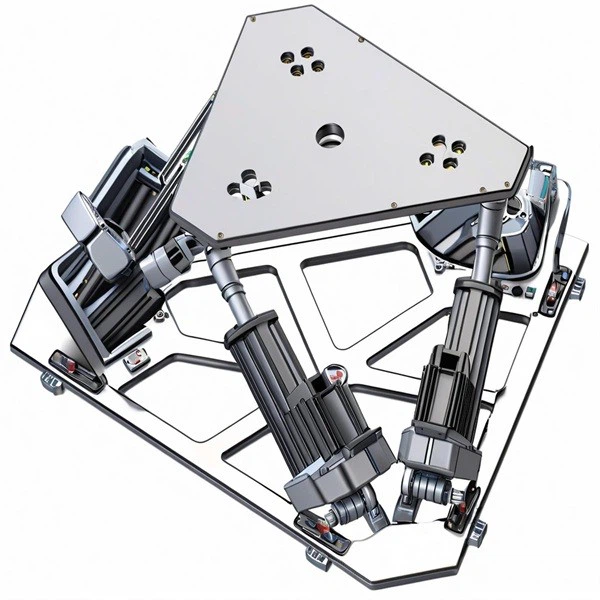
In industrial applications, high noise levels can affect the quality of the testing process. For example, in the automotive industry, where vibration test tables are used to test the durability of vehicle components, excessive noise can mask other important sounds that may indicate a problem with the component being tested. This can lead to inaccurate test results and potentially compromise the safety and reliability of the final product.
In some applications, such as in the aerospace industry, where vibration test tables are used to simulate the harsh conditions of space flight, the noise levels need to be carefully controlled. High - level noise can cause additional stress on the tested components, which may not accurately represent the real - world conditions. Therefore, aerospace engineers require vibration test tables with low noise levels to ensure the accuracy of their tests.
Strategies for Reducing Noise Levels
As a Vibration Test Table supplier, we have developed several strategies to reduce the noise levels of our products. One approach is to use advanced damping materials in the construction of the table. Damping materials can absorb and dissipate the vibrations, reducing the amount of energy that is converted into sound. For example, rubber or foam pads can be used between the moving parts and the frame of the table to dampen the vibrations.
Another strategy is to optimize the design of the motor and control system. By using more efficient motors and advanced control algorithms, we can reduce the electrical and mechanical noise generated by these components. Additionally, proper shielding of the electronic components can prevent the leakage of electrical noise.
We also offer enclosures for our vibration test tables. These enclosures are designed to isolate the table from the surrounding environment, reducing the noise that is transmitted to the outside. The enclosures are made of sound - absorbing materials and are carefully engineered to ensure that they do not interfere with the performance of the table.
Comparison with Other Motion Platforms
When comparing the noise levels of vibration test tables with other motion platforms, such as High End 6 Dof Motion Simulator and 3 Axis Motion Platform, there are some differences. 6 Dof motion simulators, which are capable of providing more complex and realistic motion, often have more moving parts and higher - power motors. As a result, they may produce higher noise levels compared to vibration test tables.
3 Axis motion platforms, on the other hand, are generally simpler in design and have fewer moving parts. They may produce lower noise levels, especially if they are designed for low - frequency applications. However, the noise levels of all these motion platforms can be influenced by their size, operating speed, and the quality of their construction.
Conclusion
In conclusion, the noise levels produced by a vibration test table are an important consideration for both the user and the supplier. Understanding the sources of noise, measuring it accurately, and implementing strategies to reduce it are essential steps in ensuring the performance and usability of the table. As a Vibration Test Table supplier, we are committed to providing our customers with high - quality products that meet their noise level requirements.
If you are interested in purchasing a vibration test table or have any questions about the noise levels or other features of our products, we encourage you to contact us for a detailed discussion. Our team of experts is ready to assist you in finding the best solution for your specific needs.
References
- "Sound and Vibration Measurement Handbook" by John D. Adam
- "Vibration Testing: Theory and Practice" by Alan G. Hopkins