

What are the humidity requirements for operating a vibration test table?
Jul 01, 2025
Hey there! As a supplier of vibration test tables, I've gotten a ton of questions over the years about the ins and outs of operating these machines. One question that comes up quite a bit is about humidity requirements. So, I thought I'd take a few minutes to break it down for you.
Why Humidity Matters
First off, you might be wondering why humidity even matters when it comes to running a vibration test table. Well, humidity can have a pretty big impact on both the performance and the lifespan of the equipment. When the air is too humid, it can lead to moisture buildup on the components of the test table. This moisture can cause corrosion, which over time, can damage the parts and lead to malfunctions. On the other hand, if the air is too dry, it can cause static electricity to build up. Static electricity can interfere with the electrical signals in the test table, leading to inaccurate test results.
Ideal Humidity Range
So, what's the sweet spot for humidity when operating a vibration test table? Generally speaking, the ideal relative humidity range is between 30% and 70%. This range helps to prevent both moisture buildup and static electricity issues. When the humidity is within this range, the components of the test table are less likely to corrode, and the electrical signals are more stable, resulting in more accurate test results.
But here's the thing: the ideal humidity range can vary depending on the specific model of the vibration test table. Some models might be more sensitive to humidity than others, so it's always a good idea to check the manufacturer's specifications. As a supplier, we always make sure to provide detailed information about the humidity requirements for each of our Vibration Test Table models.
Monitoring and Controlling Humidity
Now that you know the ideal humidity range, the next step is to monitor and control the humidity in the environment where the vibration test table is located. There are a few different ways to do this.
One of the simplest ways to monitor humidity is to use a hygrometer. A hygrometer is a device that measures the relative humidity in the air. You can place a hygrometer near the test table to keep an eye on the humidity levels. If the humidity is outside of the ideal range, you'll need to take steps to adjust it.
If the humidity is too high, you can use a dehumidifier to remove moisture from the air. Dehumidifiers come in different sizes and capacities, so you'll need to choose one that's appropriate for the size of the room where the test table is located. On the other hand, if the humidity is too low, you can use a humidifier to add moisture to the air.
It's also important to make sure that the room where the vibration test table is located is well-ventilated. Good ventilation helps to prevent the buildup of moisture and keeps the air circulating, which can help to maintain a stable humidity level.
Impact of Humidity on Different Components
Let's take a closer look at how humidity can affect different components of the vibration test table.
- Electrical Components: As I mentioned earlier, high humidity can cause moisture to build up on the electrical components, leading to corrosion. Corrosion can damage the wires, circuit boards, and other electrical parts, which can cause the test table to malfunction. Low humidity, on the other hand, can cause static electricity to build up, which can interfere with the electrical signals and cause inaccurate test results.
- Mechanical Components: Humidity can also affect the mechanical components of the test table. High humidity can cause the metal parts to rust, which can affect the movement and performance of the table. Low humidity can cause the lubricants on the mechanical parts to dry out, which can increase friction and wear.
Special Considerations for Different Environments
The humidity requirements for operating a vibration test table can also vary depending on the environment where the table is located.
- Industrial Environments: In industrial environments, there are often a lot of other factors that can affect the humidity levels, such as the presence of machinery, chemicals, and dust. These factors can make it more challenging to maintain the ideal humidity range. In these cases, it might be necessary to use more advanced humidity control systems, such as industrial-grade dehumidifiers or humidifiers.
- Laboratory Environments: In laboratory environments, accuracy is crucial. Even small variations in humidity can affect the test results. Therefore, it's important to have a very precise humidity control system in place. This might involve using a combination of hygrometers, dehumidifiers, and humidifiers, as well as a climate control system to maintain a stable environment.
Other Related Motion Platforms
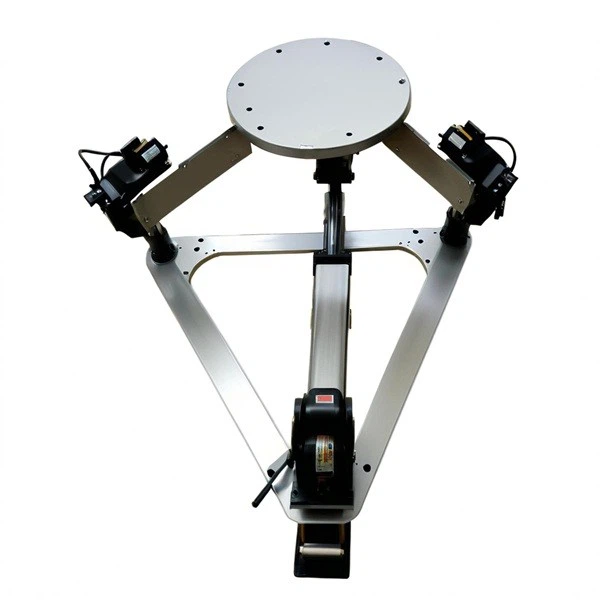
In addition to our Vibration Test Table, we also offer other types of motion platforms, such as 3 DOF Motion Platform and High End 6 Dof Motion Simulator. These platforms also have specific humidity requirements, and the general principles of humidity control apply to them as well.
Just like with the vibration test table, it's important to monitor and control the humidity in the environment where these platforms are located to ensure their optimal performance and longevity.
Conclusion
So, there you have it! The humidity requirements for operating a vibration test table are an important factor to consider. By maintaining the humidity within the ideal range, you can help to ensure the performance and lifespan of the test table, as well as the accuracy of the test results.
If you're in the market for a vibration test table or any of our other motion platforms, and you have any questions about the humidity requirements or anything else, don't hesitate to reach out. We're here to help you make the best choice for your needs. Whether you're a small research lab or a large industrial company, we have the expertise and the products to meet your requirements. Contact us today to start the conversation about your Vibration Test Table needs!

References
- General knowledge of vibration test table operation and environmental factors.
- Manufacturer's specifications for various motion platform models.