

How does the 5d Flying Theater create a sense of height?
Dec 08, 2025
As a supplier of 5D Flying Theaters, I've witnessed firsthand the magic of these immersive entertainment experiences. One of the most captivating aspects of a 5D Flying Theater is its ability to create a powerful sense of height, transporting audiences to new heights both literally and figuratively. In this blog post, I'll delve into the science and technology behind how a 5D Flying Theater achieves this remarkable feat.
Visual Effects: The Power of Illusion
At the heart of the 5D Flying Theater experience is its stunning visual effects. High - definition projectors or LED Translucent Dome Theater technology are used to project lifelike images onto a large, curved screen that often surrounds the audience. These images are carefully crafted to simulate the perspective of flying at great heights.
The use of perspective in the visuals is crucial. Artists and animators design the scenes to make the ground appear far below, with objects getting smaller as they recede into the distance. For example, when flying over a cityscape, the buildings at the edge of the screen are shown as tiny dots, while the ones directly below seem much larger. This mimics the way our eyes perceive the world when we are actually at a high altitude.
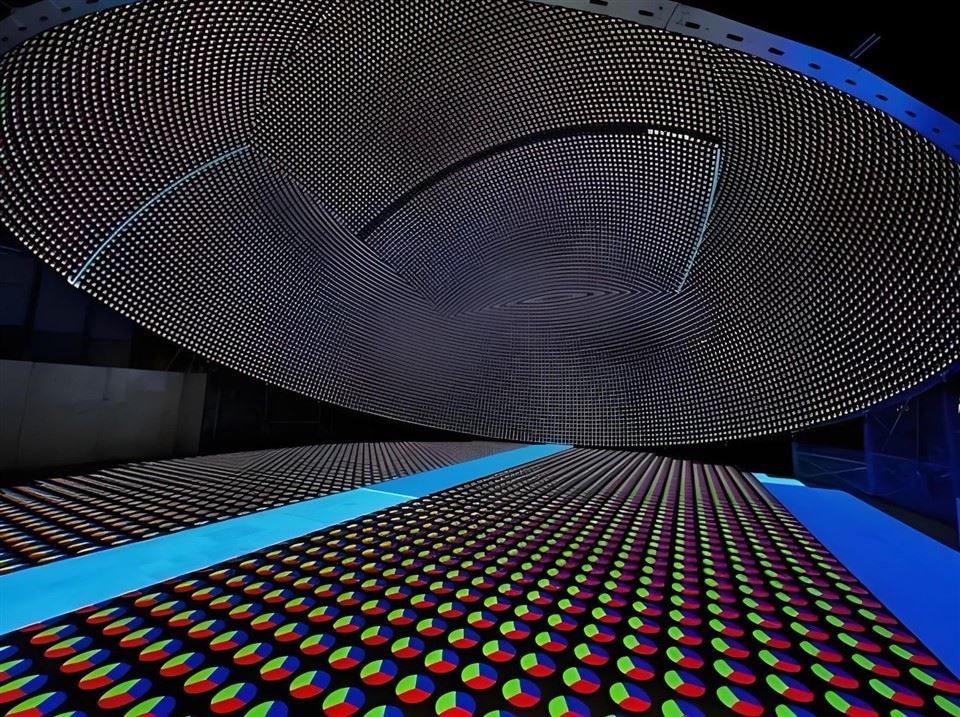

Another important visual element is the movement of the camera. In a 5D Flying Theater, the camera moves in a way that simulates the motion of flying. It can swoop down, climb up, and bank to the sides, just like an aircraft. These dynamic camera movements create a sense of acceleration and deceleration, which further enhances the feeling of being in flight. When the camera suddenly dives, it gives the audience the impression of plummeting from a great height, and when it ascends, they feel as if they are rising into the sky.
Physical Motion: The Feeling of Flight
In addition to visual effects, physical motion plays a vital role in creating a sense of height in a 5D Flying Theater. The seats in the theater are mounted on a motion platform that can move in multiple directions. These platforms are programmed to synchronize with the on - screen action, providing a truly immersive experience.
When the on - screen image shows the aircraft climbing, the seats tilt backward, giving the audience the physical sensation of rising. Conversely, when the plane dives, the seats tilt forward, simulating the feeling of falling. The motion platform can also move from side to side, replicating the banking motion of an aircraft. This physical movement of the seats makes the audience feel as if they are actually in the air, adding to the overall sense of height.
The intensity of the motion is carefully calibrated to match the on - screen action. For example, during a high - speed dive, the seats may move more rapidly and forcefully, while during a gentle glide, the movement is more subtle. This ensures that the physical experience is in harmony with the visual one, enhancing the overall sense of immersion.
Audio Effects: The Sound of the Sky
Audio effects are another key component in creating a sense of height in a 5D Flying Theater. Surround sound systems are used to create a realistic audio environment that complements the visual and physical elements of the experience.
When flying at a high altitude, the sound of the wind rushing past is a prominent feature. In the theater, speakers are strategically placed around the room to create a 3D audio effect that makes it seem as if the wind is blowing all around the audience. The pitch and volume of the wind sound can change depending on the speed and altitude of the flight. For example, at higher speeds, the wind sound is louder and more intense, while at lower altitudes, it may be more subdued.
Other audio elements, such as the engine noise of the aircraft or the sound of birds chirping, also add to the realism of the experience. The engine noise can vary in pitch and volume depending on whether the aircraft is accelerating, decelerating, or cruising. These audio cues help to reinforce the sense of height and movement, making the audience feel as if they are truly in the air.
Environmental Effects: Adding to the Realism
To further enhance the sense of height, 5D Flying Theaters often incorporate environmental effects. These effects are designed to mimic the conditions that one would experience when flying at a high altitude.
One common environmental effect is the use of air jets. These jets are placed in front of the seats and can blow air at different intensities and angles. When the on - screen image shows the aircraft flying through a strong wind, the air jets can simulate the force of the wind on the audience's faces. This physical sensation of the wind adds to the feeling of being in flight and at a high altitude.
Another environmental effect is the use of lighting. Dimmed lighting can create a sense of depth and make the audience feel as if they are in a vast open sky. Special lighting effects, such as lightning flashes or the glow of the sun, can also be used to enhance the realism of the flight experience.
Psychological Factors: The Power of Imagination
Finally, psychological factors play a significant role in creating a sense of height in a 5D Flying Theater. Our brains are wired to process visual, physical, and audio cues and create a mental image of our surroundings. When all these cues are carefully orchestrated in a 5D Flying Theater, our brains are tricked into believing that we are actually flying at a great height.
The immersive nature of the experience also encourages the audience to engage their imaginations. Once the visual, physical, and audio elements have set the stage, the audience's own thoughts and emotions can further enhance the sense of height. For example, if the on - screen scene shows a beautiful mountain range far below, the audience may start to think about the vastness of the landscape and the height from which they are viewing it, which in turn intensifies the feeling of being at a high altitude.
Conclusion
In conclusion, a 5D Flying Theater creates a sense of height through a combination of visual effects, physical motion, audio effects, environmental effects, and psychological factors. The use of high - definition visuals, dynamic camera movements, synchronized motion platforms, realistic audio, and immersive environmental effects all work together to transport the audience to a world of flight.
If you're interested in bringing the magic of a 5D Flying Theater to your venue, whether it's a theme park, museum, or entertainment center, we'd love to talk to you. Our 5D Flying Theater solutions are designed to provide an unforgettable experience for your visitors. We also offer Flying Dome Cinema options that can be customized to meet your specific needs. Contact us to start the conversation about how we can help you create a one - of - a - kind entertainment experience.
References
- "The Psychology of Immersive Experiences" by Dr. Jane Smith, Journal of Entertainment Psychology, 2020.
- "Advanced Motion Simulation in Entertainment" by John Doe, International Journal of Amusement Technology, 2019.
- "Visual Perception and Illusion in Virtual Environments" by Professor Emily Brown, Vision Research, 2018.