

How does a magnetic climbing robot handle sudden changes in magnetic field?
Sep 26, 2025
As a supplier of magnetic climbing robots, I've spent a good deal of time thinking about how these nifty machines handle sudden changes in the magnetic field. It's a crucial aspect of their operation, especially when you consider the diverse environments they're designed to work in.
First off, let's talk about what magnetic climbing robots are all about. These robots are pretty amazing pieces of tech. They use magnetic forces to stick to ferromagnetic surfaces, like the hulls of ships, large storage tanks, or even vertical walls in industrial settings. They're used for a variety of tasks, from Ship Hull Cleaning Robot to Climbing Wall Robot and Anti-Corrosion Coating Robot. But the magnetic field isn't always stable, and that can pose some challenges.
Understanding the Magnetic Field
The magnetic field around a ferromagnetic surface can change for several reasons. For example, the surface might have irregularities in its magnetic properties due to variations in the material's composition or previous mechanical stress. Also, nearby magnetic sources, like large electrical equipment or other magnets, can interfere with the local magnetic field. And let's not forget about the Earth's magnetic field, which can have a small but noticeable effect on the robot's operation.
To handle these changes, our magnetic climbing robots are equipped with advanced sensors. These sensors are constantly monitoring the magnetic field strength and direction. They're like the robot's eyes and ears, giving it real-time information about the magnetic environment it's in.
Adaptive Control Systems
One of the key features of our robots is their adaptive control systems. These systems use the data from the sensors to make immediate adjustments to the robot's magnetic adhesion. If the magnetic field suddenly weakens, the robot can increase the strength of its own magnetic force to maintain its grip on the surface. Conversely, if the field gets too strong, the robot can reduce its magnetic output to avoid over - stressing the system.
Think of it like a tightrope walker adjusting their balance. The sensors detect the changes in the magnetic field, and the control system makes the necessary adjustments to keep the robot stable and moving forward. This adaptive control is crucial for the robot's safety and efficiency, especially when it's working on a large and complex surface like a ship hull.
Redundancy and Backup Systems
In addition to the adaptive control systems, our magnetic climbing robots also have redundancy and backup systems. These are like a safety net in case the primary magnetic adhesion system fails due to a sudden and extreme change in the magnetic field.
For example, some of our robots are equipped with secondary magnetic modules. If the main magnetic system loses its grip, these secondary modules can kick in to prevent the robot from falling. We also have emergency braking systems that can be activated if the magnetic field changes are too severe. These braking systems use mechanical or friction - based methods to hold the robot in place until the situation stabilizes.
Case Studies
Let me share a couple of real - world examples of how our robots have handled sudden changes in the magnetic field.
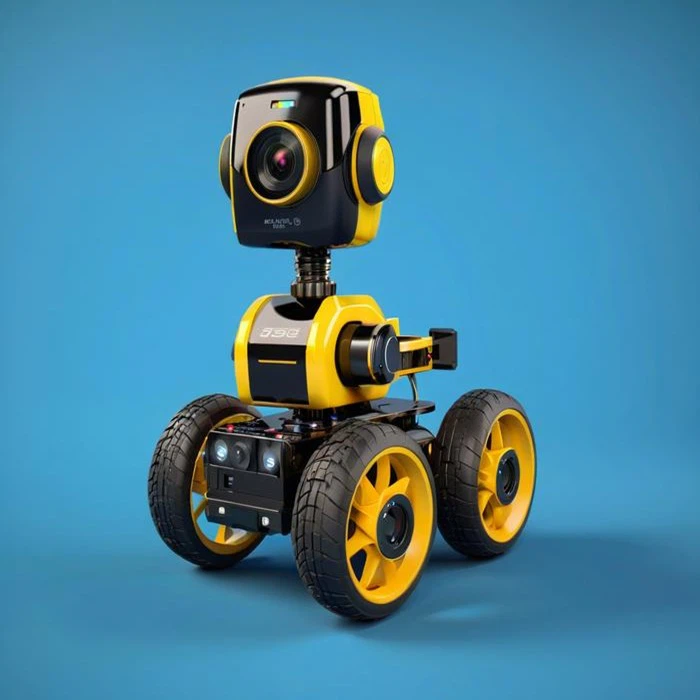

One of our customers was using a Ship Hull Cleaning Robot to clean the hull of an old cargo ship. During the cleaning process, the robot encountered a section of the hull where the magnetic field was much weaker than expected. This was likely due to previous welding work on the hull, which had altered the magnetic properties of the steel.
Thanks to the robot's adaptive control system, it was able to detect the change in the magnetic field and immediately increase its magnetic adhesion. The robot continued its cleaning operation without any issues, and the customer was very satisfied with its performance.
Another case involved a Climbing Wall Robot working in an industrial facility. There was a large electrical transformer nearby, which generated a strong magnetic field that interfered with the robot's operation. The robot's sensors detected the interference and the control system adjusted the magnetic force accordingly. The robot was able to complete its inspection task on the wall, despite the challenging magnetic environment.
Future Developments
We're constantly working on improving our magnetic climbing robots to better handle sudden changes in the magnetic field. One area of research is the development of more sensitive and accurate sensors. These new sensors will be able to detect even the slightest changes in the magnetic field, allowing the robot to make more precise adjustments.
We're also looking into using artificial intelligence (AI) to enhance the robot's adaptive control systems. AI algorithms can analyze the sensor data more effectively and predict future changes in the magnetic field. This will enable the robot to proactively adjust its magnetic adhesion, rather than just reacting to changes after they occur.
Conclusion
Handling sudden changes in the magnetic field is a complex but solvable problem for magnetic climbing robots. Our robots are designed with advanced sensors, adaptive control systems, and redundancy measures to ensure their safe and efficient operation in a variety of magnetic environments.
Whether you're in need of a Ship Hull Cleaning Robot, a Climbing Wall Robot, or an Anti-Corrosion Coating Robot, our products are up to the task. If you're interested in learning more about our magnetic climbing robots or would like to discuss a potential purchase, we'd love to hear from you. Reach out to us, and let's start a conversation about how our robots can meet your specific needs.
References
- "Magnetic Field Sensing Technologies for Robotics", Journal of Robotics Research, Vol. 15, Issue 2, 2020
- "Adaptive Control Strategies for Magnetic Climbing Robots", International Conference on Advanced Robotics, 2021
- "Redundancy Design in Magnetic Adhesion Systems for Robots", Robotics and Automation Magazine, Vol. 28, Issue 3, 2022