

Can climbing wall robots be used for nuclear power plant wall inspection?
Oct 20, 2025
Hey there! As a supplier of Climbing Wall Robots, I often get asked about the various applications of these nifty machines. One question that has been popping up more frequently lately is whether climbing wall robots can be used for nuclear power plant wall inspection. Well, let's dive right into it and explore this topic in detail.
First off, let's talk a bit about what climbing wall robots are. These are robots designed to move along vertical surfaces, whether it's a building wall, a ship hull, or even the walls of a nuclear power plant. They use different mechanisms to adhere to the surface, such as magnetic forces, suction cups, or a combination of both. Our Climbing Wall Robot is a prime example of a high - tech solution that can navigate complex vertical terrains with ease.
Now, why would we even consider using climbing wall robots for nuclear power plant wall inspection? Nuclear power plants are highly sensitive and dangerous environments. The walls of these plants need regular inspections to ensure there are no cracks, leaks, or other structural issues that could lead to a potential disaster. Traditional inspection methods often involve human workers, which is not only time - consuming but also exposes them to high levels of radiation.
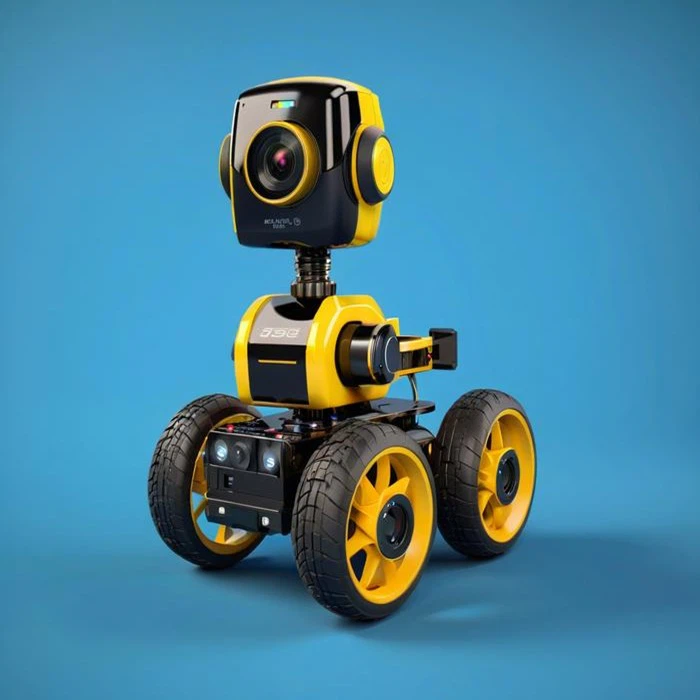
Climbing wall robots can offer a safer and more efficient alternative. They can be equipped with a variety of sensors, such as cameras, ultrasonic sensors, and radiation detectors. The cameras can provide high - resolution images of the wall surface, allowing inspectors to detect any visible cracks or damages. Ultrasonic sensors can be used to detect internal flaws in the wall structure, such as hidden cracks or delaminations. And radiation detectors can measure the radiation levels in the area, ensuring the safety of the inspection process.
One of the key advantages of using climbing wall robots is their ability to access hard - to - reach areas. Nuclear power plant walls often have complex geometries, with pipes, valves, and other equipment attached to them. Climbing wall robots can navigate around these obstacles and reach areas that human workers might have difficulty accessing. This means that a more comprehensive inspection can be carried out, reducing the risk of overlooking potential problems.
Another benefit is the speed of inspection. Robots can work continuously without getting tired, and they can cover large areas in a relatively short period of time. This can significantly reduce the downtime of the nuclear power plant during the inspection process, which is crucial for maintaining the power supply.
However, using climbing wall robots for nuclear power plant wall inspection also comes with its challenges. One of the main challenges is the harsh environment inside the nuclear power plant. The high levels of radiation can damage the electronic components of the robot, reducing its lifespan and reliability. To overcome this, the robots need to be designed with radiation - resistant materials and shielding.
The presence of strong magnetic fields in some parts of the nuclear power plant can also interfere with the robot's magnetic adhesion system. This requires careful design and testing to ensure that the robot can maintain its grip on the wall surface under these conditions.
In addition, the robots need to be highly reliable and fault - tolerant. Any malfunction during the inspection process could lead to a delay in the inspection or even pose a safety risk. Therefore, rigorous testing and quality control measures are essential to ensure the robots can operate effectively in the nuclear power plant environment.
We've also developed other types of robots that are related to the climbing wall robot concept. Our High - Altitude Operation Robot is designed for tasks such as building facade cleaning and maintenance at high altitudes. It shares some of the same technologies as the climbing wall robot, such as the ability to adhere to vertical surfaces and navigate complex environments.
Another related product is our Ship Hull Cleaning Robot. This robot is used to clean the hulls of ships, removing barnacles and other marine growth. It also uses magnetic adhesion to move along the ship's hull, and it can significantly reduce the time and cost of ship hull cleaning.
So, can climbing wall robots be used for nuclear power plant wall inspection? The answer is yes, but with some challenges that need to be addressed. At our company, we are constantly working on improving the design and performance of our climbing wall robots to make them more suitable for this demanding application.
If you're in the nuclear power industry and are interested in using climbing wall robots for your wall inspection needs, we'd love to have a chat with you. Our team of experts can provide you with more information about our products, their capabilities, and how they can be customized to meet your specific requirements. Whether it's the unique challenges of the nuclear power plant environment or the need for a more efficient inspection process, we're here to help.

Don't hesitate to reach out if you have any questions or if you'd like to discuss a potential partnership. We're excited about the possibilities of using climbing wall robots in nuclear power plant wall inspection and look forward to working with you to make it a reality.
References
- "Robotics in Nuclear Power Plants: Current Applications and Future Prospects" - Journal of Nuclear Engineering and Technology
- "Advances in Climbing Robot Technology for Industrial Inspections" - International Journal of Robotics Research