

Can a 6 DOF rotational platform be used for virtual tour applications?
Jun 15, 2026
In recent years, virtual tour applications have witnessed a remarkable surge in popularity, offering immersive experiences that transport users to various locations and scenarios without leaving the comfort of their homes. As technology continues to evolve, the demand for more realistic and engaging virtual tour experiences has grown exponentially. One technology that has the potential to significantly enhance the immersion of virtual tours is the 6 Degrees of Freedom (6 DOF) rotational platform. In this blog post, we will explore the feasibility and benefits of using a 6 DOF rotational platform for virtual tour applications, drawing on our expertise as a 6 DOF rotational platform supplier.
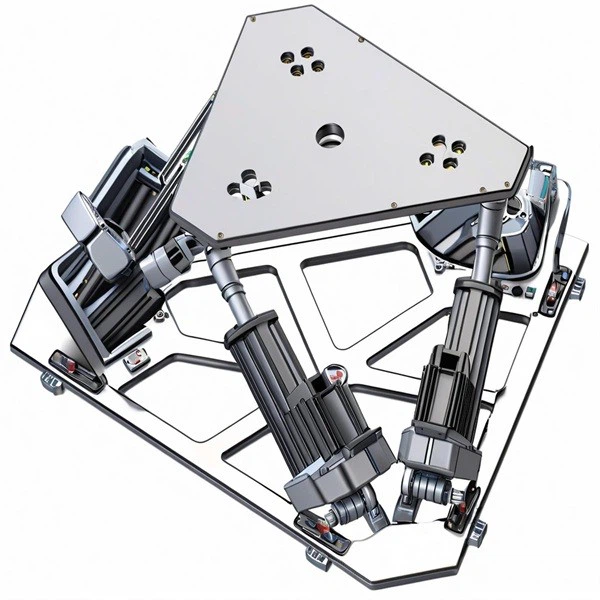
Understanding 6 DOF Rotational Platforms
Before delving into the potential applications of 6 DOF rotational platforms in virtual tours, it is essential to understand what they are and how they work. A 6 DOF rotational platform is a mechanical device that can move in six different directions: three translational (forward/backward, left/right, up/down) and three rotational (pitch, roll, yaw). This allows the platform to replicate a wide range of motions, from subtle vibrations to high-speed movements, providing a more immersive and realistic experience for the user.
These platforms are typically controlled by a computer system that receives input from sensors or a virtual reality (VR) headset and translates it into motion. The platform can then move in sync with the virtual environment, creating a seamless and immersive experience for the user.
Enhancing Immersion in Virtual Tours
One of the primary benefits of using a 6 DOF rotational platform in virtual tour applications is the enhanced immersion it provides. By simulating the physical movements associated with being in a real - world environment, the platform can make the virtual tour feel more realistic and engaging.
For example, when visiting a virtual museum, the platform can tilt and sway slightly as the user “walks” through the exhibit halls, mimicking the natural movements of the body. This subtle tactile feedback can greatly enhance the sense of presence and immersion, making the user feel as if they are actually there.
In a virtual outdoor tour of a mountain range, the platform can simulate the bumps and jolts of hiking on uneven terrain, as well as the swaying motion caused by strong winds. This adds an extra layer of realism that traditional 2D or even 3D virtual tours cannot match.
Compatibility with VR and AR Technologies
6 DOF rotational platforms are highly compatible with virtual reality and augmented reality technologies, which are often used in virtual tour applications. VR headsets provide a visually immersive experience by blocking out the real - world environment and presenting a fully virtual one. When combined with a 6 DOF rotational platform, the physical motion of the platform can be synced with the visual cues from the VR headset, creating a truly multi - sensory experience.
Augmented reality, on the other hand, overlays virtual information on the real world. A 6 DOF rotational platform can enhance AR - based virtual tours by providing physical feedback that corresponds to the virtual elements in the augmented scene. For instance, if an AR guide in a virtual city tour is pointing to a building in a specific direction, the platform can rotate slightly to align the user's physical orientation with the virtual view.

Industry Applications
The potential applications of 6 DOF rotational platforms in virtual tours span across various industries.
Tourism
In the tourism industry, virtual tours can be a powerful marketing tool. A 6 DOF rotational platform can be used to create virtual tours of popular tourist destinations, allowing potential visitors to experience the sights and sounds of a place before they book a trip. For example, a virtual tour of a tropical beach resort could use the platform to simulate the feel of the ocean waves crashing against the shore and the gentle sway of a hammock.
Real Estate
In real estate, virtual tours have become increasingly popular, especially during the COVID - 19 pandemic. A 6 DOF rotational platform can provide a more realistic experience of walking through a property. Buyers can feel the slight elevation changes on a sloped lot or the movement of a large, open - plan space. This can help them make more informed decisions about whether a property is right for them.
Education
In the field of education, virtual tours can be used to take students on field trips to historical sites, scientific research facilities, or even outer space. A 6 DOF rotational platform can enhance the educational experience by providing physical feedback that complements the visual and auditory information presented in the virtual tour. For example, when touring a historical battlefield, the platform can simulate the rumble of cannons and the movement of soldiers.
Comparison with Other Motion Platforms
To better understand the advantages of 6 DOF rotational platforms, it is worth comparing them with other types of motion platforms, such as 3 DOF Motion Platform and 3 Axis Motion Platform.
A 3 DOF motion platform can move in three directions (usually pitch, roll, and yaw or a combination of translational motions). While it can provide a certain level of immersion, it is limited compared to a 6 DOF platform. The additional three degrees of freedom in a 6 DOF platform allow for a much wider range of motion and a more accurate replication of real - world movements.
A 3 - axis motion platform typically refers to a platform that can move along three translational axes. Similar to the 3 DOF platform, it lacks the rotational elements that a 6 DOF platform offers. As a result, it may not be able to provide the same level of realism and immersion in virtual tour applications.
Considerations for Integration
When considering using a 6 DOF rotational platform for virtual tour applications, there are several factors to keep in mind.
Space Requirements
6 DOF rotational platforms can be relatively large and may require a significant amount of space for installation. This needs to be carefully considered, especially in commercial or residential settings where space may be limited.
Cost
The cost of a 6 DOF rotational platform can be relatively high compared to other types of motion simulation equipment. However, the enhanced immersion and unique experience it provides may justify the investment, especially for businesses or institutions that rely on virtual tour applications for marketing or educational purposes.
Compatibility with Software
It is important to ensure that the 6 DOF rotational platform is compatible with the virtual tour software being used. Some platforms may require specific software drivers or programming to integrate seamlessly with the virtual environment.
Other Related Technologies
In addition to 6 DOF rotational platforms, Vibration Test Table can also play a role in enhancing virtual tour experiences. Vibration test tables can simulate the vibrations associated with various real - world scenarios, such as the rumble of a train or the shaking of an earthquake. When combined with a 6 DOF rotational platform, they can provide an even more realistic and immersive experience.
Conclusion
In conclusion, a 6 DOF rotational platform can be an excellent addition to virtual tour applications. It offers enhanced immersion, compatibility with VR and AR technologies, and has a wide range of potential applications across various industries. While there are some considerations to keep in mind, such as space requirements and cost, the benefits it provides in terms of creating more realistic and engaging virtual tour experiences make it a technology worth exploring.
If you are interested in incorporating a 6 DOF rotational platform into your virtual tour applications or have any questions about our products, we encourage you to reach out to us for a detailed discussion. We look forward to the opportunity to work with you and help you take your virtual tour experiences to the next level.
References
- "Virtual Reality and Augmented Reality in Tourism: A Review of Research" by X. Xiang, D. Fesenmaier, and C. Tussyadiah
- "Enhancing Immersive Experiences in Virtual Reality: A Review of Haptic Feedback Technologies" by S. Choi and J. Kim
- "The Impact of Motion Cues on Immersion in Virtual Environments" by M. Slater and S. Usoh